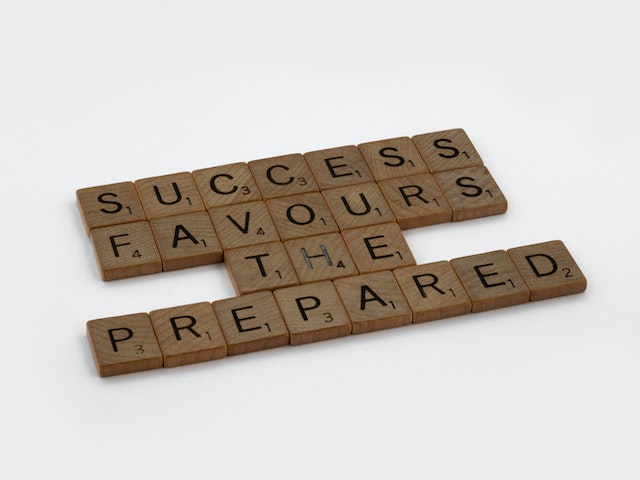
The founder of the Scouting organization coined the motto Be Prepared over a century ago. When asked what he thought people needed to be ready for, he replied: Why, for any old thing.
These words still resonate today.
Being prepared for the unexpected is not something that costs a lot of money and it’s worth thinking about for peace of mind. For one, you should put together a 72-hour emergency kit that will keep you and your family safe in the event of a natural disaster, supply shortages, or other emergencies that keep you away from the comfort of your home.
It’s Never Too Late to Prepare
The first step to putting together an emergency plan is to think about your personal circumstances and how they might impact your approach. For example, if you live in an area prone to flooding and hurricanes, what you need to do is very different from someone who lives in an area that experiences heat waves and fires.
Ask yourself:
- What is the most likely natural disaster that might happen in my area?
- Are there personal issues that could lead to an emergency? (e.g., job instability, health problems, family stresses, etc.)
- What type of manmade disasters is more likely? (e.g., power failure, fuel shortages, etc.)
Have Extra Food and Household Items at Hand
Supply chains have been unstable for the last couple of years. A natural disaster or other emergency is only going to exacerbate the situation.
Try to have enough food in the house to feed your family for at least two weeks. Some non-perishable, inexpensive food such as pasta, beans, rice, and canned vegetables are easy to stock.
In addition to food, have extra soap, laundry detergent, medications, and pet supplies set aside.
Water, Water, and More Water
Store about 75 liters of water for each person to cover drinking, cooking, and cleaning needs for one week. Larger bottles are better than cases of bottled water, or you can reuse two-liter bottles and fill them up with water in advance.
This may seem like a lot of water, but when there is a crisis, water supplies can become tainted or unavailable.
Batteries and Alternative Power Sources
The power in your home can go out because of high winds, overuse during extreme weather, or any number of other reasons. If there is a lot of damage, it can take weeks to get the power restored.
If you have a generator, make sure you have fuel to keep it going for a while. This will keep the food in the refrigerator from spoiling and the inside of the house at a comfortable temperature. Portable solar lights and battery packs are a good idea too.
In addition, no power will probably make cooking difficult. Barbecues and camping stoves are one way to prepare hot meals when there is no power.
Keep Health at the Forefront
Emergencies are stressful and you may not have easy access to a hospital or healthcare professional, so keep a first-aid kit nearby. Even better, take a CPR or first aid class with the Canadian Red Cross.
If anyone in your family has special health concerns, make sure to have their medications or medical devices with you if you leave. You don’t want to end up at a hospital that is most likely already overloaded from the crisis.
Have an Exit Plan
Whether you are at work or home, have a plan for leaving the building should the conventional way of getting out not be possible due to a fire, mechanical failure, or another issue.
Make sure your car is well maintained and the gas tank is at least one-quarter full, so it can get you out of a dangerous situation. Have a paper map in the glove compartment in case GPS apps aren’t working.
Cash is king. ATMs, credit cards, and online payment services may not be working during an emergency. Keep a stash of money, along with copies of important documents, somewhere in the car.
Always be Ready for the Unexpected
You never know when a disaster may strike, so it’s best to have thought through different scenarios and come up with a plan to keep safe.
Minister Blair also acknowledged that with climate change, the frequency and severity of weather-related natural disasters are growing. Canada is implementing strategies from the Sendai Framework for Disaster Risk Reduction and implementing programs to improve the country’s ability to prepare and respond during a disaster.
If the government is planning ahead, so can you.

Hey welcome to my blog . I am a modern women who love to share any tips on lifestyle, health, travel. Hope you join me in this journey!


Speak Your Mind