Between soccer practice, grocery runs, and managing a career, most parents have a mental checklist that is constantly overflowing. We focus on the big things—the broken refrigerator, the leaking roof, or the strange noise coming from the car. However, homes often have a way of whispering before they scream. Small, quiet issues frequently go unnoticed because they don’t immediately disrupt our daily routines.
Ignoring these minor inconveniences can lead to major financial headaches down the road. According to Angi data, the average homeowner spends over $4,000 annually on maintenance and emergency repairs. A significant portion of these costs comes from problems that could have been caught early.
By identifying these hidden household issues now, you can keep your family safe and your bank account intact.
The Silent Drip: Water Waste and Structural Damage
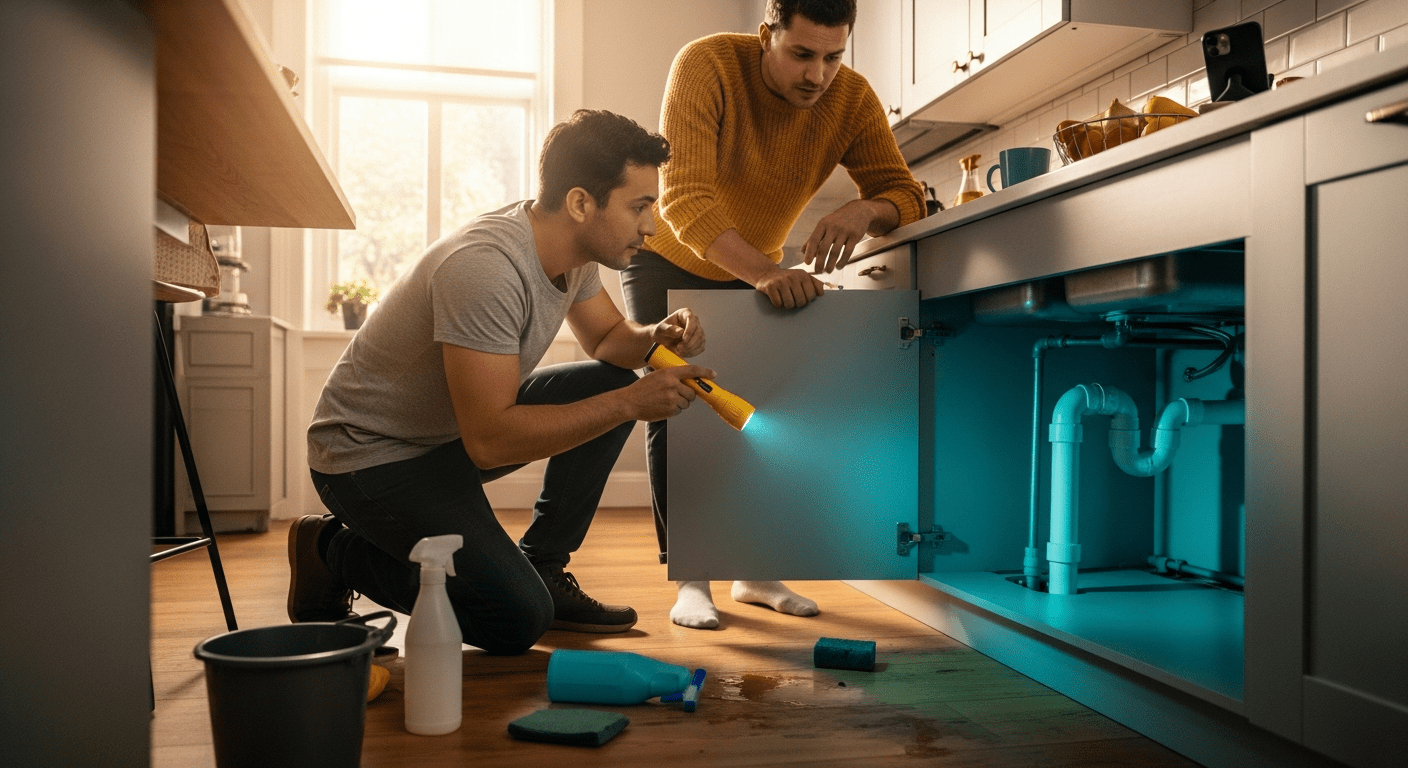
A dripping faucet is annoying, but a hidden leak is dangerous. Many families ignore a slightly damp spot under the kitchen sink or a toilet that “runs” for a few extra seconds. These are not just quirks of an older home; they are signs of active waste.
The Environmental Protection Agency notes that household leaks can waste nearly 1 trillion gallons of water annually nationwide. For an individual family, a leaky toilet or a pinhole leak in a pipe can add 10% to a monthly water bill.
Beyond the cost of the water itself, moisture is the enemy of your home’s structure. Water that seeps into floorboards or behind drywall creates a breeding ground for mold. If you notice a musty smell that doesn’t go away with cleaning, or if your water bill has spiked without a change in usage, it is time to investigate.
When Slow Drains Mean Big Trouble
We have all been there—standing ankle-deep in soapy water during a shower because the drain is sluggish. Usually, we pour a chemical cleaner down the pipe and forget about it. However, slow drains are often a symptom of a much larger blockage forming deep within your plumbing system.
Over time, hair, grease, soap scum, and even “flushable” wipes build up. These obstructions put pressure on your pipes, which can eventually lead to a full-blown backup or a burst pipe. While DIY methods might provide a temporary fix, they rarely clear the entire blockage.
This is where professional intervention becomes a necessity rather than a luxury. Experts like PlumbWize specialize in identifying the exact cause of recurring drainage issues. Whether it is a tree root intrusion or years of sediment buildup, a professional Hamilton plumber has the tools and experience to clear the lines without damaging your plumbing. Bringing in an expert early ensures that a simple slow drain doesn’t turn into a basement flood that ruins your flooring and furniture.
The Invisible Threat of Poor Indoor Air Quality
We spend the vast majority of our time indoors, yet we rarely think about the quality of the air we breathe. Families often ignore the dust that gathers quickly on surfaces or the “stale” feeling of a room.
The primary culprit is usually the HVAC system. Air filters are designed to catch dust, pollen, and pet dander, but they need to be changed every 30 to 90 days. When filters are clogged, the system works harder, increasing your energy bills and shortening the unit’s lifespan.
Furthermore, neglected air ducts can harbor allergens that trigger asthma or sinus issues. A study by the American Lung Association highlights how poor indoor air quality can contribute to long-term respiratory problems. If your family seems to have “seasonal” allergies year-round, your home’s ventilation might be the problem.
Electrical Warnings You Should Never Ignore
Electrical issues are perhaps the most dangerous problems families ignore. Because wires are hidden behind walls, we assume everything is fine as long as the lights turn on.
Pay attention to these warning signs:
- Flickering lights: This often suggests a loose connection or an overloaded circuit.
- Warm outlets: If a wall plate feels hot to the touch, it is a major fire hazard.
- Frequent tripped breakers: Your home is telling you that the electrical demand is higher than the system can safely handle.
With the rise of smart home devices and high-powered appliances, many older homes struggle to meet modern electrical demands. Ignoring these signs increases the risk of electrical fires, which cause billions of dollars in property damage every year.
The Foundation and Grading: The Ground Beneath Your Feet
Have you noticed a small crack in the drywall above a door frame? Or perhaps a door that suddenly sticks and won’t close properly? It is easy to blame these things on the house “settling,” but they can be indicators of foundation movement.
Another commonly overlooked area is yard grading. Over time, soil can shift, causing the ground to slope toward your house instead of away from it. This allows rainwater to pool against your foundation.
During the next heavy rain, grab an umbrella and walk around your house. If you see water standing against the exterior walls, you need to adjust your landscaping. Preventing water from reaching the foundation is much cheaper than repairing a cracked or sinking base.
Pest Intrusions: More Than Just a Nuisance
Seeing a single ant or a rogue spider is normal, but many families ignore the signs of a more serious infestation. Rodents and termites work in the dark. If you hear scratching in the walls at night or see small piles of what looks like sawdust near wooden structures, you have a problem.
Termites alone cause billions in property damage each year in the United States, and most homeowners’ insurance policies do not cover termite damage. Regular inspections and sealing small cracks in your home’s exterior can prevent these pests from making your house their home.
The Importance of Proactive Protection
It is easy to push home maintenance to the bottom of the “to-do” list when life gets busy. You prioritize the things you can see, like a dirty carpet or a faded coat of paint. However, the health of your home depends on the systems that work behind the scenes.
By addressing a slow drain, checking your attic for leaks, and listening to the warnings your house gives you, you are doing more than just saving money. You are creating a stable, safe environment for your children to grow up in.
Taking action today might mean spending an hour on a Saturday morning inspecting your appliances or calling a professional to look at a recurring issue. While it feels like another chore, the peace of mind that comes with a well-maintained home is worth the effort.
Securing Your Sanctuary for the Long Haul
A home is likely the largest investment you will ever make. It is the place where memories are built and where your family feels most secure. Treating it with the care it deserves ensures it remains a sanctuary rather than a source of stress.
Don’t wait for a ceiling to leak or a circuit to fry before you pay attention. Start walking through your home with a critical eye. Listen to the pipes, check the filters, and watch the water bills. Small steps taken now prevent the “curveballs” that can derail your family’s financial stability. Protecting your home is, ultimately, one of the best ways to protect your family.

Hey welcome to my blog . I am a modern women who love to share any tips on lifestyle, health, travel. Hope you join me in this journey!


Speak Your Mind