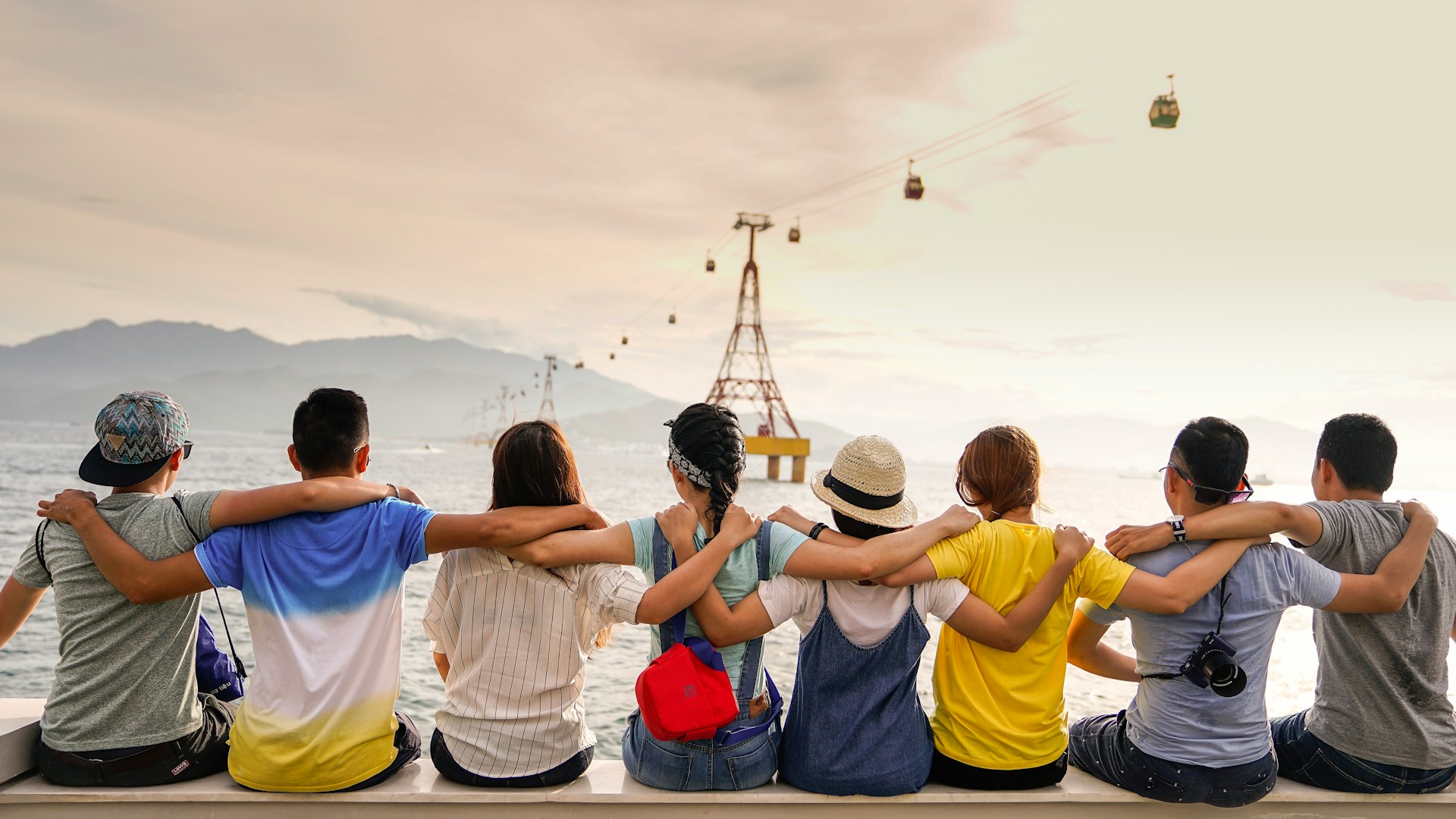
Want to know the secret to successful addiction recovery?
Most people think it’s about willpower or finding the right treatment program. But after analyzing the latest recovery data, one thing stands out above everything else…
Community support is the game-changer.
Here’s the problem: Most people try to recover alone. They think they can white-knuckle their way through the hardest battle of their lives. That’s a recipe for disaster.
But with strong community backing? The stats don’t lie – and they’re about to blow your mind.
- Why Community Support Matters More Than You Think
- The Power of Peer Connections in Recovery
- How Support Groups Transform Lives
- Building Your Recovery Network
- Finding Professional Help That Works
Why Community Support Matters More Than You Think
Here’s something that might surprise you…
75% of people who develop addiction do recover. But here’s the kicker – the ones who make it aren’t doing it alone.
Community support isn’t just nice to have. It’s the difference between success and failure in addiction recovery.
Think about it: When fighting the hardest battle of life, having people who understand what’s happening changes everything.
The problem? Most people try to white-knuckle their way through recovery. They think they can handle it solo. That’s a recipe for disaster.
Quality addiction treatment centers understand this. They don’t just focus on detox and therapy. They build entire support ecosystems around their patients because they know isolation kills recovery.
Here’s what community support does:
- Reduces the risk of relapse by up to 40%
- Provides accountability when it’s needed most
- Offers practical help during tough times
- Gives hope when everything feels hopeless
But not all support is created equal. Let me show you what actually works.
The Power of Peer Connections in Recovery
Ever wonder why some people stay sober while others keep relapsing?
The answer often comes down to peer connections. When someone connects with others who’ve walked the same path, something magical happens.
Research shows that shared experiences in programs like Alcoholics Anonymous decrease relapse risk by 35% compared to other treatments.
Why peer connections work so well:
They get it. No explanations needed. No judgment. Just understanding.
Family members love their recovering loved one, but they don’t understand the daily struggle of addiction. Friends might be supportive, but they’ve never felt the pull of substances controlling their lives.
Peers have been there. They know what it’s like to wake up disappointed in themselves. They understand the shame, the guilt, the constant battle in the head.
And here’s the best part…
When someone sees another person who was once where they are now thriving in recovery, it proves it’s possible. Hope isn’t just a feeling – it becomes a reality they can touch.
Pretty cool, right?
How Support Groups Transform Lives
Let’s talk numbers for a second…
Between 85% and 95% of people who complete treatment programs remain sober after nine months. That’s incredible. But here’s what makes it even better – the more meetings people attend, the higher their success rate climbs.
Support groups work because they create structure in chaos. When life feels out of control, having somewhere to go every week (or every day) gives an anchor.
The magic happens in several ways:
- Accountability: Knowing people will ask how someone is doing keeps them honest
- Routine: Regular meetings create healthy habits
- Purpose: Helping others gives life meaning
- Safety: A judgment-free zone where people can be vulnerable
But support groups aren’t just about sitting in circles talking about feelings. They’re about building a new life with people who want to see success happen.
Here’s the thing: These groups provide something that family and friends can’t – understanding from people who’ve been in the same situation.
Building Your Recovery Network
Here’s where most people mess up…
They think recovery is a solo journey. Wrong. It’s a team sport. And the right players need to be on the team.
A recovery network should include:
- Sober friends: People who support the new lifestyle
- Family members: Those who understand and encourage the journey
- Professionals: Therapists, doctors, and counselors who provide guidance
- Mentors: People further along in recovery who can show the way
- Support group members: The tribe that truly gets it
Building this network takes time. Start small. Focus on quality over quantity. One genuine connection beats ten superficial ones.
Remember, some tough choices might need to be made about old friendships. If drinking buddies can’t respect sobriety, it’s time to find new friends. It’s harsh, but it’s reality.
The key to making this work? Be intentional about it. Don’t wait for support to just happen. Actively seek it out.
Finding Professional Help That Works
Community support doesn’t replace professional treatment – it enhances it.
The best recovery outcomes happen when peer support is combined with professional care. That means finding qualified addiction treatment centers that understand the importance of community in recovery.
Look for programs that offer:
- Individual therapy sessions
- Group therapy with peers
- Family involvement programs
- Aftercare planning and support
- Connection to local support groups
Professional treatment gives the tools. Community support helps us use them every day.
The combination is powerful. Studies show that structured peer mentorship programs improve long-term success rates by 10%, while integrated support networks decrease relapse rates by up to 40%.
That’s the kind of data that should make people pay attention.
The Reality of Relapse and Recovery
Let’s be real about something…
Relapse rates for addiction fall between 40-60%. That sounds scary, but here’s what those numbers actually mean – it’s similar to other chronic diseases like diabetes or hypertension.
Relapse doesn’t mean failure. It means being human.
The key is getting back up quickly. And guess what makes that easier? Having a strong community that doesn’t abandon someone when they stumble.
A support network becomes the safety net. When someone slips, they’re there to catch them. When they succeed, they celebrate together. When they’re struggling, they remind them why they started.
Here’s the truth:
Recovery isn’t a straight line. It’s messy. It’s hard. But it’s possible – especially with the right people in the corner.
Taking Action Today
Community support isn’t something that just happens. It has to be actively built.
Start with these simple steps:
- Find a local support group meeting this week
- Reach out to one person who supports recovery
- Consider professional treatment if it hasn’t been done already
- Join online recovery communities for additional support
- Be honest about struggles with trusted people
Remember – 72.2% of people with substance use problems consider themselves in recovery. Anyone can be part of that statistic.
Recovery is possible. But it’s not meant to be done alone.
Don’t wait for the perfect moment. Don’t wait until you feel ready. The community is there right now, exactly as someone is.
Moving Forward Together
Community support transforms addiction recovery from a lonely struggle into a shared journey of hope and healing.
The statistics prove it. The stories confirm it. The science backs it up.
Recovery matters. Not just to the person in recovery, but to everyone who cares about them. And when someone succeeds, they become part of the community that helps others succeed too.
That’s the beauty of recovery communities – they grow stronger with each person who joins. Every success story becomes proof that recovery is possible. Every person who gets help becomes someone who can help others.
The truth is this: Recovery is hard work. But with the right support system, it’s absolutely achievable.
Here’s the bottom line: Community support isn’t optional in addiction recovery. It’s essential. The data proves it works. The success stories show it’s possible.
And the best part?
That community is waiting right now for anyone ready to take the first step.

Hey welcome to my blog . I am a modern women who love to share any tips on lifestyle, health, travel. Hope you join me in this journey!


Speak Your Mind