Addiction does not happen overnight, it festers. Recall the last time something made you feel extremely good. It can be something as rudimentary as organizing your workstation, meeting your deadlines with additional time to spare, or even having your favorite dish for dinner. Other less innocent activities may include getting a smoke break or a shopping spree. Or even the recreational use of drugs. If you need more information about drug addictions, be sure to check out http://americanaddictioncenters.org/alcohol-rehab/best/.
The commonality of all these activities is that they do not immediately result in an addiction. What exactly happens in the interim between trying them out of curiosity and becoming a full-blown addict? What exactly is so special about these habits or substances that simply keep the addicted coming back for more despite society’s disapproval and the multiple adverse results that come along with them?
Medical health experts generally define addiction as a disorder that surfaces as a result of one’s genetics, neurobiology, and its interaction with one’s psychological and social factors. This means that addiction actually shares a lot of similarities with many other existing chronic disorders, including but not limited to cancer, heart disease, and type 2 diabetes. The upside to this is that addiction, like other chronic diseases, can be treated and prevented with the right intervention and effort. However, addiction can bring about devastating and irreversible damages if left unchecked.
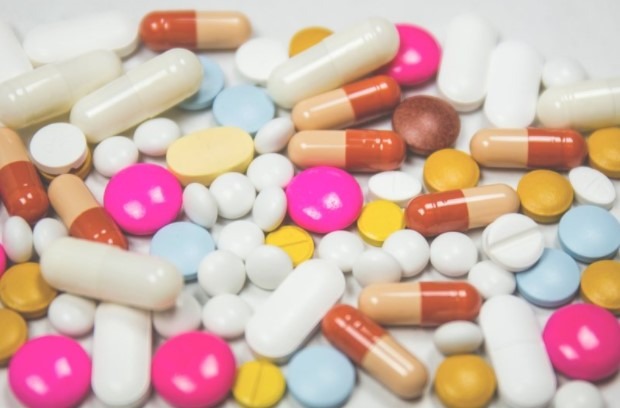
How addiction works
Although there are various entry points to one’s addictionsuch as curiosity, peer and/or societal influence, and even a combination of both, the converging point of all substances and behavioral addiction is that these activities have an astonishing ability to raise the dopamine levels in our brains.
Dopamine is a chemical in our brain that is responsible for conveying messages across our brain’s reward center. It is basically the chemical that allows us to feel waves of happiness and pleasure, which is also tied to our survival behaviors in ensuring that we are fed and crave sex.

Coming back to the topic of addiction, the drugs or risky behavior that one does also activates this very same reward circuitry wired in our brains. However, what makes them so hard to manage is that drugs and risky behaviors are able to make one experience a greater degree of instantaneous pleasure as opposed to say being fed or getting enough rest.
Different types of drugs affect our brains’ dopamine reward system in different ways. Heroin and marijuana are able to deceive our brain cells into activating neurons that use dopamine. Other popular drugs like cocaine and amphetamines make the effects of dopamine last much longer in our brains instead.
What factors determine how addictive a substance is ultimately boiled down to how quickly our body absorbs them and allows them to affect our brains, as well as the degree it is able to trigger the circuits in our brain. This is also why substance abusers usually snort or inject the drugs, to allow them to travel into their brain faster. Heroin, which tops in these factors, is the drug that has proven to be most devastating and effective, according to health experts.
Road to addiction
Our brains and bodies adapt quickly and will try to recalibrate the dopamine levels with repeated abuses of the substances over time. Neurons in our brains simply begin to produce less dopamine and reduce the count of dopamine receptors. This means that the usual dosage of drugs will result in a lower degree of pleasure for the addicted. At this point, we say that the individual has developed a tolerance or resistance, and they will require a larger amount of the same drug or commit even more risky behaviors to feel the same high’ they experienced initially.
Additionally, with the brain over moderating the amount of dopamine, these individuals began to be more susceptible to undesirable emotions such as anxiety, depression, and stress. Some may even begin to experience withdrawals, where their body begins to physically react by making them feel unwell and encouraging individuals to consume the drugs to feel some relief.
After some time, the use of drugs evolves from a pleasure-seeking activity into an actual need and urge. In addition, since dopamine is linked to one’s learning and memory, it will also reiterate one’s need to satisfy their addiction and establish strong associations with all sorts of environmental cues related to the addictive behavior and drugs. What this essentially means is that their experiences with said addiction becomes so ingrained in their brains that they might get a trigger or an inexplicable urge to rebound back to their addictions after successfully going sober.
Studies on people with addiction also reveal a curious alteration in their bodies as well. For instance, abusers of alcohol, cocaine, and opioids are shown to have a lower count of neurons and impaired activity in their prefrontal cortex. These changes make them more susceptible to their impulses and less capable of making rational decisions for themselves, which in turn fuels their addiction or makes them easy targets to return back to their old habits.
Addiction factors
As discussed above, there are many factors that cause one to become addicted. Some people are more susceptible to addiction owing to their genetics, social circle, and pre-existing mental illness.

A critical risk factor that affects addiction is one’s age. A young individual is more likely to become addicted as compared to their older counterparts. This is further supported by a study in 2014 which revealed that a whopping 74 percent of addicts seeking help at treatment programs state that they began abusing drugs when they were 17 and below.
Although there are several studies that conclude that some genes actually add a level of risk or provide some form of protection against addictive behaviors, medical health experts are unable to accurately predict one’s susceptibility to addiction by just looking at their genetic makeup. It will do well for concerned parents and family members to put more care into providing a support system for their at-risk youths or members than to worry about their genes.
Conclusion
Addiction is not just the physical, but also the behavioral dependence on substances. It is important that individuals do not shoulder all the stress by themselves and seek professional help and support from their social circle. Professional health will benefit them not only in their quitting and withdrawal phases but also for many years to come in battling the temptation of a potential relapse.

I’m a 20-something stay-at-home mother and wife. I have an amazing husband, a beautiful daughter, two loving dogs, and a lazy cat. I wouldn’t change my life for anything! I love to read, listen to music, cook and blog!


Speak Your Mind