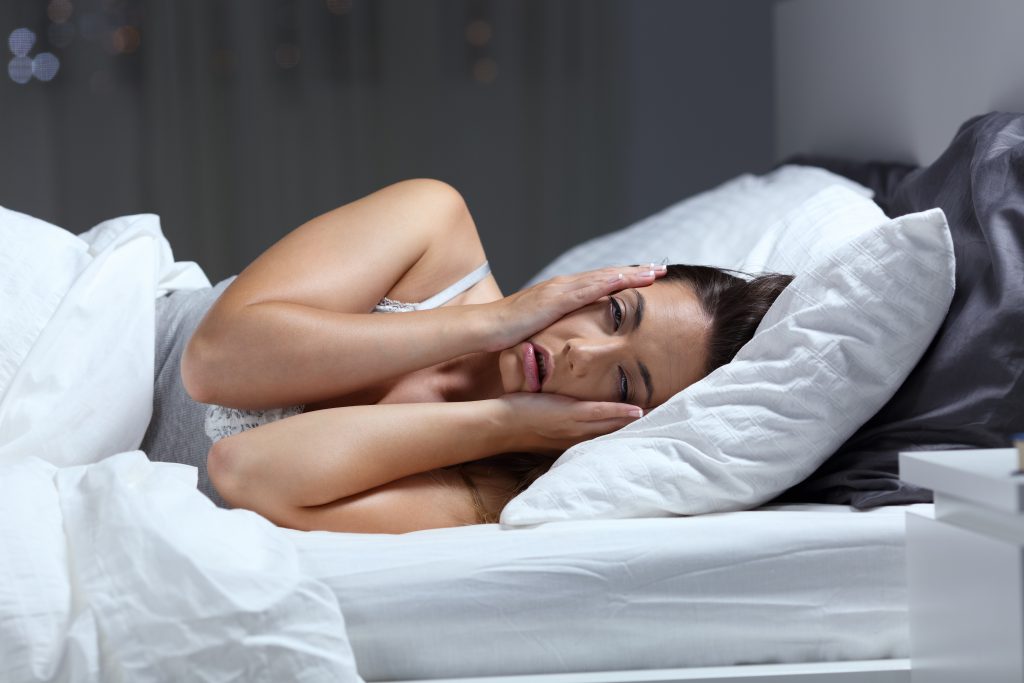
Most people experience restless sleep because of stress, heavy workloads, and many other factors. With restless sleep, people could have trouble sleeping and feel extremely exhausted all through the day. This condition may develop into a sleeping disorder if it starts to occur regularly and interfere with your daily routines.
Furthermore, restless sleeping patterns have adverse effects on your energy, emotional state, ability to concentrate, and general well-being. Aside from that, it can also impact your work performance, trigger relationship pressure, and hinder proper functioning.
Luckily, these disruptions can be treated by medication and lifestyle adjustments. Note that the detrimental effects of restless sleep will contribute to ever more health hazards when left unattended.
Start by getting on the root of the problem. Below are the top eight causes of restless sleep. Read on below and work your way out to achieve that sound and satisfying sleep.
- Your bedroom Is A Cluttered Mess
You may have a dusty pile of stuff on your desk, your bedside table, or the floor. The cluttered setting during sleep creates another cluttered mind.
Try to declutter your room. Throw all the half-done works bills, documents, etc. and complete them promptly. The mind begins associating the room with relaxation and intimacy once you remove these things in your space. Also, maintaining beautiful, cozy bedsheets and mattresses will allow you to sleep better, as supported by Kate in her BedAdvisor review.
- Your Room is Flooding With Light
Preferably, there should be no lights on when you sleep. Especially lights from either a television or any electrical devices. Because at night when your eyes are exposed to light, your nervous system is conned into believing it’s waking-up time. So, it starts reducing melatonin production, a hormone discharged by your glands that triggers drowsiness and lowers body temperature.
Electronic device emitting light is particularly annoying as it imitates sunlight. Try to turn off the light or any sources of light when you sleep. If that won’t work with you, a dim and not so bright light will do.
- Somebody Is Snoring
Snoring is loud and noisy breathing that happens during sleep. This is produced when relaxed muscles of the throat oscillate and make some noise. Snoring is typical, though it may be a disturbance that disrupts other people’s sleep. Any snoring can be avoided with changes in lifestyle, such as:
- Weight loss
- Slashing on cigarettes and drinking
- Shifting positions in sleep. That usually includes keeping stuffy noses off their back or sides to keep the airways wide open all through rest.
There are also nasal strips that can be bought on groceries that’s inserted over the nostrils to expand the space within the nose and ease breathing.

- You’re Taking Some Medicine
Certain medicines can have a significant influence on you to descend and remain asleep. Most painkillers contain caffeine, and some blood pressure medicines, decongestants, and asthma prescription drugs may also affect your sleep.
If you believe medicine you are currently taking is affecting your sleep, speak with your doctor. A shift in taking a medication sometimes can make a massive difference. If it doesn’t work, your physician could advise an alternative medicine.
- You Had A Late Coffee Break
Caffeine is expected to last in the human body for five hours. Meaning you still have yet another quarter of the first consumption of caffeine rolling along in your body hours since you ingest it. Most people drink coffee for more than one cup and drink it late around the daytime. A good suggestion is if you will be having coffee, sip it slightly earlier, preferably in the morning.
- Overthinking In The Middle Of The Night
You might have experienced waking up at points of time during the night, then the very first thing that jumps into your head is a significant problem. It is understood that you are worried, but this is also another reason why you have restless periods of sleep.
The wisest choice to take in stopping this stressful overthinking is redirecting your thoughts to something much less stressful. Failure to do so, you’ll get yourself trapped in a worry treadmillwhich means more restless sleep.
- Your Workout Ran Late
To most people, exercise within 3 hours before bed might be too stimulating. Workout wakes up the system and warms the body, some of which may cause problems with sleep. Six hours before sleeping is the perfect time to exercise (in hopes of supporting you to rest well). Think about doing your exercise in the morning. The sun’s bright light can encourage you to start waking up and promote an excellent, proper sleep, and wake cycle.
- You Took A Shower Right Before Going To Bed
Better sleepers experience a slight decrease in body temperature each night when they start to doze off. Poor sleepers though are not seeing this drop in body temperature. And though it makes good sense to consider a refreshing bath or shower well before bedtime, the trick is timing. It’s advisable to take a one-and-a-half to-two hours bath or shower before going to bed. This can help the body’s cooling-off cycle for you to have a better sleeping experience.
Final Thoughts
If following these suggestions does not work for you, visit a health care provider to address your sleep problems. Making sure that your sleep problems aren’t caused by a severe medical condition is crucial.
You also must check the medicine you take (if you’re taking some) to ensure they don’t exacerbate your sleep problems.
Lastly, some adjustments can help you sleep better. Evaluate yourself and your lifestyle, make necessary changes, and have that good night’s sleep that you deserve.

I’m a 20-something stay-at-home mother and wife. I have an amazing husband, a beautiful daughter, two loving dogs, and a lazy cat. I wouldn’t change my life for anything! I love to read, listen to music, cook and blog!


Speak Your Mind