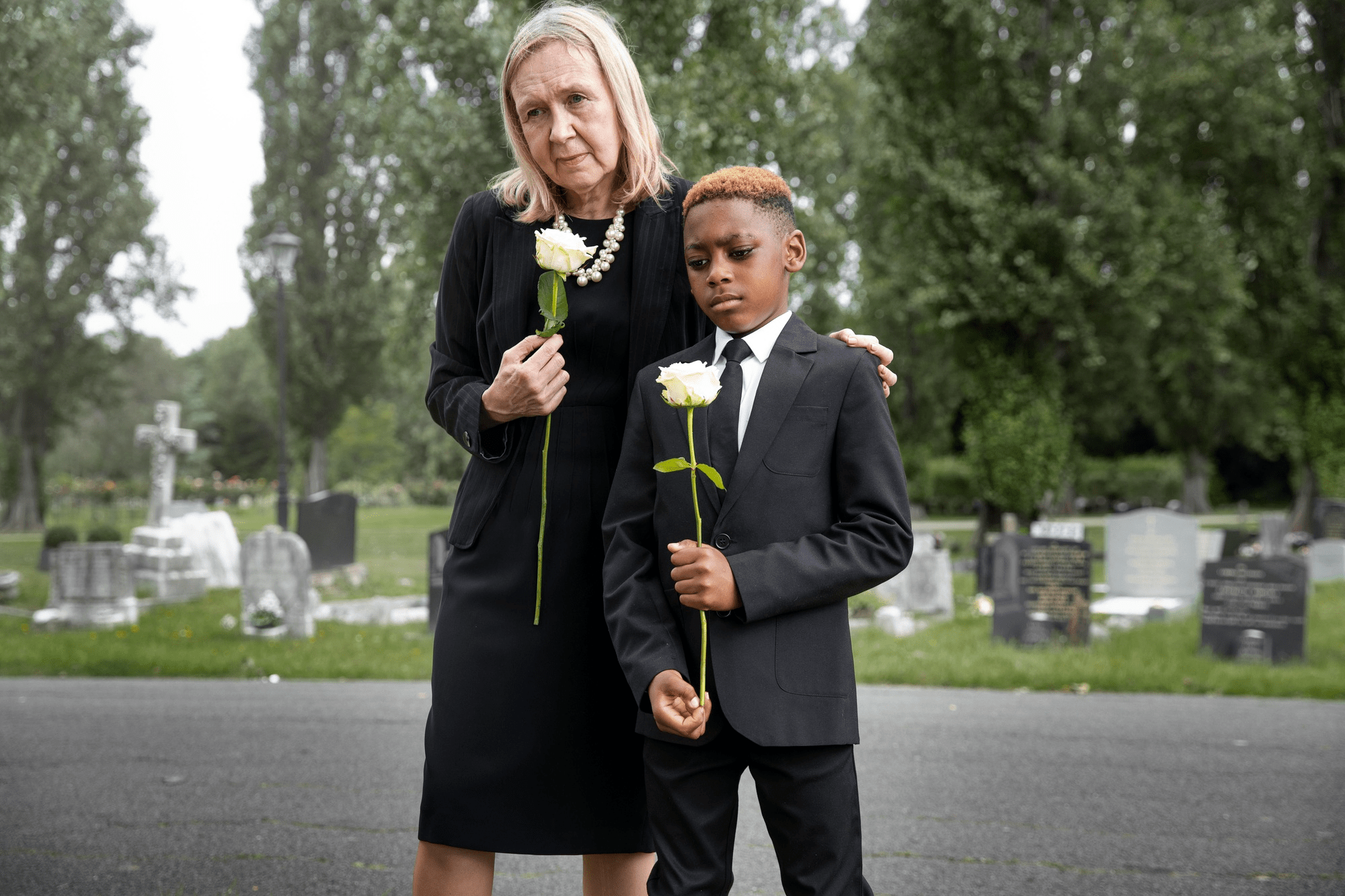
Losing a spouse is emotionally challenging, and financial concerns can add even more stress during an already difficult time. One common question surviving spouses have is whether they will be required to pay debts left behind by their loved one.
Understanding how Minnesota law handles debt after death can help families make informed decisions. Many people ask, “Am I responsible for my spouse’s debt after death?” especially when creditors begin contacting the family.
The short answer is that a surviving spouse is not automatically responsible for all of a deceased spouse’s debts in Minnesota. In most cases, the deceased person’s estate is responsible for paying valid debts before assets are distributed to heirs. However, there are situations where a surviving spouse may still be liable.
How Debt Is Handled After Death
When someone dies, their assets and debts become part of their estate. The estate may include bank accounts, real estate, vehicles, investments, and personal property.
Before beneficiaries receive any inheritance, the estate’s representative must use estate assets to pay outstanding debts and expenses. These may include:
- Credit card balances
- Personal loans
- Medical bills
- Mortgage obligations
- Utility bills
- Taxes
If sufficient assets exist, creditors are paid from the estate. If the estate lacks enough assets, some debts may remain unpaid.
Are You Personally Responsible for Your Spouse’s Debt?
Generally, Minnesota is not a community property state. This means that a surviving spouse is not automatically responsible for debts that were solely in the deceased spouse’s name.
For example, if your spouse had an individual credit card account and you were not a co-signer or joint account holder, you typically would not be personally responsible for paying that debt.
However, responsibility may exist in certain situations.
Situations Where a Surviving Spouse May Be Liable
A surviving spouse could be responsible for debt if the following are true:
Joint Debt
If both spouses signed for a loan, credit card, or other financial obligation, the surviving spouse remains responsible for the remaining balance.
Co-Signed Loans
When a spouse co-signs a loan, they agree to repay the debt if the primary borrower cannot. Death does not eliminate that obligation.
Joint Credit Accounts
For jointly owned credit card accounts, the surviving account holder may continue to be responsible for outstanding charges.
Secured Debts
If a debt is tied to property, such as a mortgage or car loan, the surviving spouse may need to continue making payments to keep the asset.
What Happens If the Estate Cannot Pay?
Some estates do not have enough assets to cover all outstanding debts. In these situations, creditors may receive only partial payment or no payment at all, depending on the estate’s value and the priority of claims.
Most family members are not required to pay these remaining debts out of their own pockets unless they have a separate legal responsibility for the debt.
Minnesota Probate Rules
Debt repayment is often handled during the probate process. Minnesota probate law establishes procedures for notifying creditors and settling valid claims against an estate.
For example, Minnesota Statutes Section 524.3-801 outlines how creditors are notified and given an opportunity to present claims against a deceased person’s estate. This process helps ensure debts are addressed in an organized and lawful manner.
Dealing With Creditor Calls
Surviving spouses sometimes receive calls from creditors shortly after a loved one dies. While creditors may seek information about the estate, they cannot automatically require payment from a spouse who is not legally responsible for the debt.
If you receive collection notices, it may be helpful to review the debt carefully and determine whether your name appears on the account before making any payments.
Key Takeaways
- A surviving spouse is not automatically responsible for all of a deceased spouse’s debts in Minnesota.
- Most debts are paid through the deceased person’s estate.
- Joint debts and co-signed loans may remain the responsibility of the surviving spouse.
- Secured debts such as mortgages may require continued payments to keep the property.
- If the estate lacks sufficient assets, some debts may go unpaid.
- Minnesota Statutes Section 524.3-801 outlines procedures for creditor claims during probate.
- Review creditor demands carefully before agreeing to pay any debt.
- Understanding estate and debt rules can help families navigate a difficult time with greater confidence.

Hey welcome to my blog . I am a modern women who love to share any tips on lifestyle, health, travel. Hope you join me in this journey!


Speak Your Mind