Pet fashion has evolved from a quirky niche into a thriving industry, and small breeds like Chihuahuas sit at the center of this stylish revolution. With their compact frames and expressive personalities, Chihuahuas have become the
ultimate canine fashion icons, inspiring designers and owners alike to explore creative wardrobe options. Yet amid the growing selection of dog apparel, one question frequently puzzles Chihuahua parents: what exactly sets a tutu dress apart from a regular dog dress, and when should each be worn? The distinction goes far beyond mere aesthetics. From construction techniques and fabric choices to comfort considerations and occasion suitability, these two categories of dog clothing serve fundamentally different purposes in your pet’s wardrobe.
This article breaks down those differences in detail, offering practical guidance for owners who want to dress their Chihuahuas with both flair and function. Whether you’re preparing for a holiday celebration, planning a photoshoot, or simply seeking everyday outfits that keep your tiny companion comfortable through changing seasons, understanding what makes each dress type unique will empower you to make confident, informed choices.
Understanding the Core Differences: Chihuahua Tutu Dresses vs. Regular Dog Dresses
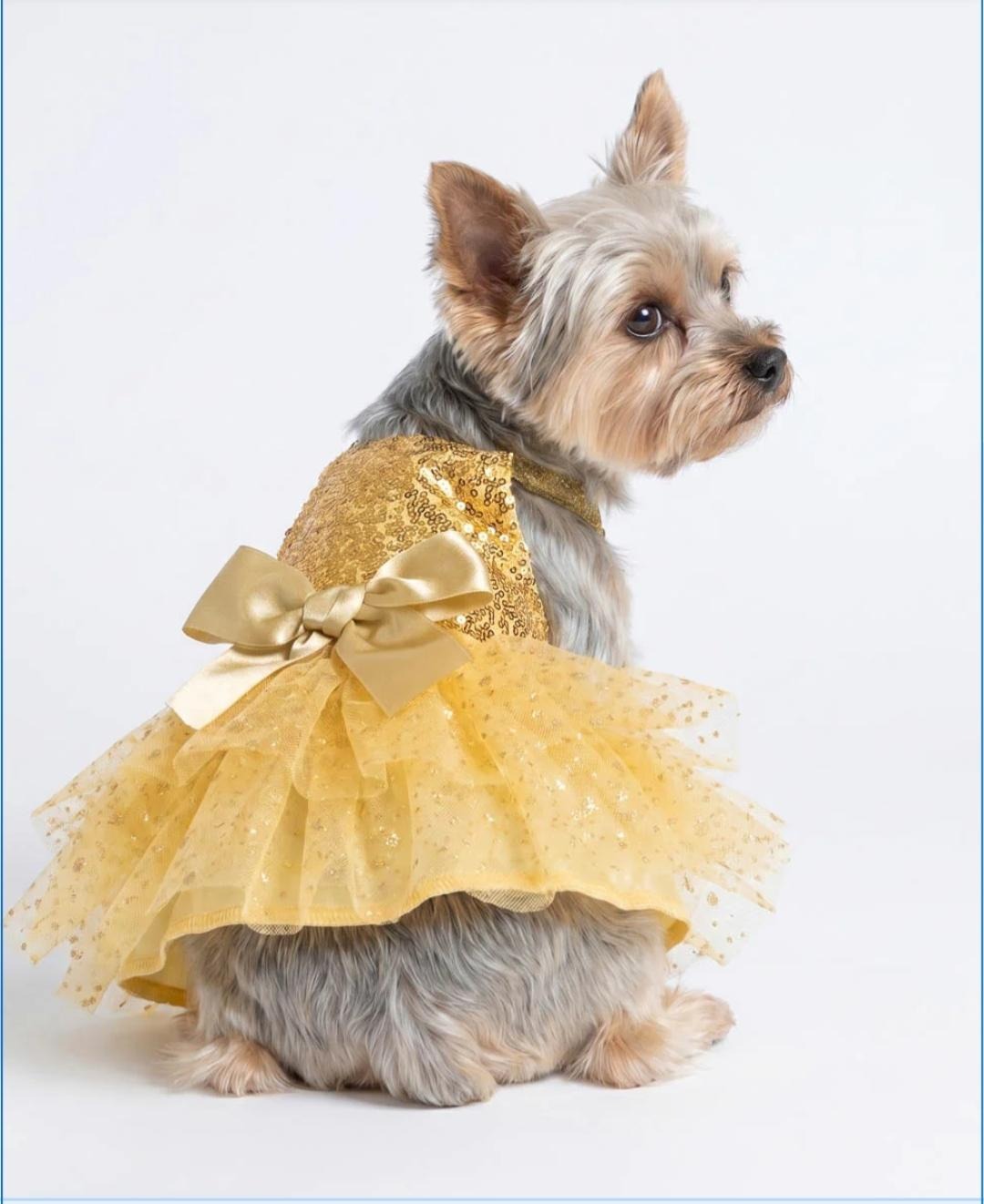
At first glance, all small dog dresses might seem interchangeable, but a dog tutu dress and a standard dog dress occupy entirely different territories in canine fashion. Understanding these distinctions helps owners invest wisely and dress their Chihuahuas appropriately for any situation. A dog tutu dress is characterized by its dramatic, voluminous silhouette created through layers of tulle fabric gathered into a full skirt. These garments borrow heavily from ballet-inspired aesthetics, featuring ruffles, ribbon accents, and often a fitted bodice that transitions into an explosion of lightweight, airy fabric below. The overall effect is theatrical and celebratory, designed to make a visual statement.
A regular dog dress, by contrast, prioritizes wearability and versatility. These pieces typically feature streamlined cuts, practical fabrics, and understated embellishments that allow dogs to move freely during walks, playdates, or lounging at home. The silhouette tends to follow the body more closely, with skirts that fall naturally without excessive volume or stiffness. The style implications of choosing one over the other are significant. A tutu dress transforms your Chihuahua into the center of attention at any gathering, while a regular dress offers polished charm without overwhelming the dog’s natural movement patterns.
Comfort considerations also diverge between the two categories. The tulle skirt on a tutu dress, while lightweight, can create a wider profile that some dogs need time to adjust to, whereas regular dresses feel more like a second skin once properly fitted. Occasion suitability represents perhaps the most practical difference. Tutu dresses shine during birthday parties, weddings, holiday celebrations, and professional photoshoots where visual impact matters most. Regular dresses serve as reliable companions for café visits, neighborhood strolls, trips to the pet store, or any scenario where your Chihuahua needs to look put-together without sacrificing ease of movement.
Design and Structure: The Anatomy of a Tutu Dress
The construction of a dog tutu dress involves deliberate layering techniques that create its signature fullness. Multiple tiers of tulle are gathered and stitched to a waistband or bodice, with each layer adding dimension and movement to the skirt. Some designs incorporate as many as four or five layers of tulle, each cut at slightly different lengths to produce a cascading, cloud-like effect. Ruffle accents along hem edges or across the bodice add textural interest, while satin or grosgrain ribbon trims provide structural definition between the fitted top and the flared bottom.
Many tutu dresses also feature decorative elements like bows, sequined appliqués, or floral embellishments that elevate the overall presentation. The bodice itself is typically constructed from a more structured fabric to support the weight of the skirt layers while maintaining a secure fit around the Chihuahua’s chest. Regular dog dresses take a fundamentally different structural approach. Their construction focuses on clean lines and functional tailoring, with single-layer skirts that move with the dog rather than standing away from the body.
Detailing tends toward practical additions like snap closures, adjustable straps, or stretch panels that simplify the dressing process. The emphasis remains on creating a garment that looks attractive without requiring constant adjustment or limiting the dog’s natural range of motion throughout the day.
Materials and Comfort: What Goes Into These Outfits
Material selection drives much of the comfort difference between these two dress styles. Tutu dresses rely primarily on tulle, a fine netting fabric that is remarkably lightweight but can feel scratchy against sensitive skin without proper lining. Quality tutu dresses addressthis by incorporating a soft cotton or jersey lining between the bodice and the dog’s body, with satin trim edges that prevent tulle from directly contacting the skin. The airy nature of tulle means these dresses offer minimal warmth, making them better suited to indoor events or mild weather rather than cold-weather protection. Regular dog dresses draw from a broader fabric palette tailored to specific needs.
Cotton and cotton-blend options provide excellent breathability for warm months, while polyester fleece or knit fabrics offer insulation during cooler seasons. Jersey materials deliver natural stretch that accommodates a Chihuahua’s movements without binding or riding up. Brands like Fitwarm have recognized these needs by offering small dog dresses in a variety of fabrics suited to different seasons and occasions. For Chihuahuas specifically, comfort factors demand careful attention due to their thin coats and sensitivity to temperature extremes.
Breathability matters enormously in warmer climates, where trapped heat can cause distress. Fit plays an equally critical role regardless of dress type. A tutu dress that sits too tightly around the chest restricts breathing, while a regular dress with an overly snug neckline creates chafing. Mobility restrictions also differ notably, as the volume of a tutu skirt can interfere with a small dog’s leg movement during extended wear, something rarely encountered with properly fitted regular dresses.
Solving Owner Needs: A Practical Guide to Choosing and Using Chihuahua Clothes
Navigating the world of pet fashion becomes far simpler once you establish a clear decision-making process. Many Chihuahua owners accumulate clothing that never gets worn because purchases were made impulsively rather than strategically. The key to building a functional wardrobe for your tiny companionlies in matching each piece to a specific purpose, whether that’s a festive tutu dress reserved for celebrations or a comfortable regular dress that handles weekly errands with ease. Beyond occasion-based selection, seasonal considerations play a massive role in keeping Chihuahuas safe and comfortable throughout the year.
Their minimal body fat and thin coats make them particularly vulnerable to temperature fluctuations, which means Chihuahua clothes choices carry genuine health implications alongside their aesthetic appeal. The following steps provide a structured approach to selecting, fitting, and maintaining both tutu dresses and regular dresses so that every piece in your Chihuahua’s closet earns its place.
Step 1: Assessing the Occasion – When to Opt for Tutu vs. Regular Dresses
Think of your Chihuahua’s wardrobe the way you’d think of your own: certain pieces belong to specific moments. A dog tutu dress works best when the event itself calls for celebration and visual impact. Birthday parties for pets or their humans, holiday gatherings like Christmas or Halloween, wedding ceremonies where your dog serves as a ring bearer or flower girl, and professional photography sessions all warrant the dramatic flair of layered tulle and ruffle details. These occasions typically involve shorter wear times, controlled environments, and plenty of photo opportunities that justify the extra volume. Regular dresses fill every gap between those highlight moments.
Saturday morning farmers market visits, outdoor café brunches, veterinary appointments where you want your dog looking presentable, and casual playdates all call for streamlined comfort. During summer, a lightweight cotton dress protects against sun exposure without overheating. In winter, a knit or fleece-lined regular dress provides essential warmth during quick outdoor excursions. For holiday seasons specifically, consider a ruffle dress as a middle-ground option that offers festive charm with more practical wearability than a full tutu.
Step 2: Seasonal Outfit Selection Guide for Chihuahuas
Spring and summer demand breathable fabrics that prevent overheating. Look for regular dresses made from lightweight cotton or moisture-wicking blends that allow air circulation across your Chihuahua’s belly and chest. Sleeveless designs or those with thin straps work well during peak heat, while pastel-colored fabrics reflect sunlight rather than absorbing it. If a summer event calls for a tutu dress, choose one with minimal tulle layers and ensure indoor or shaded wear only. Fall and winter shift priorities toward insulation. Regular dresses constructed from fleece, wool blends, or quilted materials serve as functional outerwear during walks.
Layering becomes practical during transitional months—a thin cotton dress beneath a sweater provides adjustable warmth. For holiday celebrations that fall during colder months, tutu dresses designed with velvet or satin bodices offer slightly more warmth than summer versions, though they still shouldn’t replace proper cold-weather gear during outdoor exposure. Always assess the specific environment where your Chihuahua will spend time rather than relying solely on calendar dates, since indoor heating and air conditioning create microclimates that differ dramatically from outdoor conditions.
Step 3: Practical Tips for Dressing Your Dog Comfortably and Safely
Proper fit starts with accurate measurements. Using a soft measuring tape, record three critical dimensions: neck circumference at the base where a collar sits, chest girth at the widest point behind the front legs, and back length from the base of the neck to the base of the tail. Compare these numbers against size charts before purchasing, and when measurements fall between sizes, always size up. Introduce any new garment gradually by letting your Chihuahua sniff and investigate it before attempting to put it on.
Start with short wearing sessions of five to ten minutes, rewarding calm behavior with treats, then slowly extend the duration over several days. Watch for signs of discomfort including excessive scratching, freezing in place, attempting to bite at the fabric, or flattened ears. These signals indicate the garment needs adjustment or that your dog requires more acclimation time. For maintenance, hand-wash tutu dresses in cool water with gentle detergent to preserve tulle integrity, and reshape layers while damp before air-drying flat. Regular dresses generally tolerate machine washing in a mesh laundry bag on a delicate cycle. Store tutu dresses hanging or loosely folded to prevent crushing, keeping them ready for their next special appearance.
Dressing Your Chihuahua with Style, Purpose, and Comfort
The distinction between a Chihuahua tutu dress and a regular dog dress extends well beyond surface-level appearance. From layered tulle construction and ballet-inspired volume to streamlined cuts built for daily comfort, each dress type serves a purposeful role in your pet’s wardrobe. Tutu dresses deliver dramatic visual impact through their cascading skirts, ruffle accents, and decorative embellishments, making them ideal for celebrations, photoshoots, and milestone moments.
Regular dresses prioritize freedom of movement, temperature regulation, and all-day wearability through practical fabrics and tailored silhouettes that suit everything from morning walks to casual outings. Recognizing these differences empowers you to dress your Chihuahua appropriately for every season and situation, ensuring both style and well-being remain in balance.
Responsible pet fashion means never sacrificing your dog’s comfort for aesthetics—proper fit, gradual introduction, and attentive observation of your Chihuahua’s body language should always guide your choices. When approached thoughtfully, dressing your tiny companion becomes more than a fashion statement; it strengthens the bond you share through care, creativity, and mutual enjoyment of life’s special and everyday moments alike.

Hey welcome to my blog . I am a modern women who love to share any tips on lifestyle, health, travel. Hope you join me in this journey!

Speak Your Mind