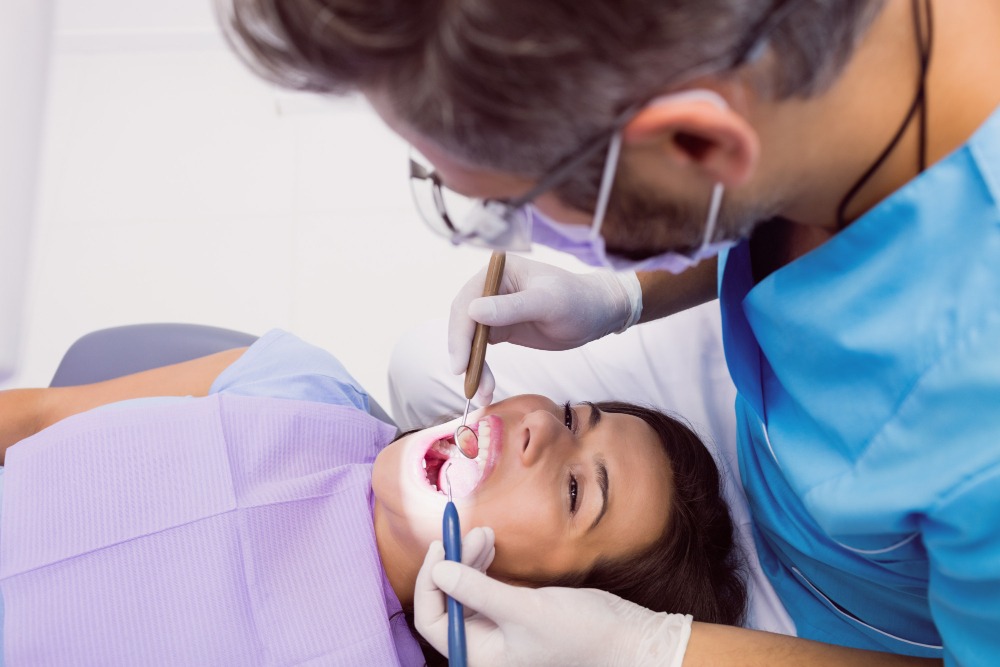
Oral surgery is a major step, and what happens afterward shapes the outcome just as much as the procedure itself. Recovery is not a single event but a gradual process that plays out over days and weeks. Knowing what to expect at each stage makes it easier to manage discomfort, prevent complications, and heal properly. A clear recovery timeline removes unnecessary uncertainty and allows patients to prepare well before they ever sit in the surgical chair.
The First 24 Hours: Managing the Immediate Effects
The first day post-surgery tends to be the most demanding. Swelling, bleeding, and discomfort typically reach their peak within this window.
Consulting a skilled oral surgeon in Las Vegas means post-operative instructions are clear, specific, and easy to follow from home. That kind of direction from the start reduces the risk of setbacks during the most sensitive phase of recovery.
What Happens Physically
A blood clot forms at the surgical site shortly after the procedure wraps up. That clot is critical to the healing process and must not be disturbed. Rinsing aggressively, spitting, or using a straw can dislodge it, so all three should be avoided for the first 24 hours.
Applying a cold compress to the outer jaw reduces swelling and provides some relief. Soft foods like yogurt, mashed potatoes, and broth are safe and easy to eat. Fatigue is also common, and rest is far more productive than pushing through normal activity.
Medication and Pain Control
Prescribed pain medication should be taken exactly as directed. Starting it before the local anesthesia wears off helps patients stay ahead of the discomfort rather than chasing it. Anti-inflammatory medications may be recommended alongside prescription options, depending on the procedure performed.
Week One: Swelling, Soreness, and Careful Eating
Swelling often peaks around day two or three before it begins to ease. Bruising along the jaw or cheek is normal and fades on its own over the following days.
Diet plays a significant role in how well the first week goes. Hard, crunchy, or chewy foods put stress on healing tissue and should be avoided entirely. Soft, nutrient-rich meals support the body’s repair process, and staying hydrated matters just as much. Sipping gently rather than through a straw keeps the surgical site protected.
Patients recovering from complex extractions or implant procedures benefit from working with a provider who gives detailed, practical guidance.
Week Two: Tissue Healing Begins
Most patients feel a noticeable difference by the second week. Swelling has largely resolved, and the surgical site begins to close visibly.
Signs of Normal Healing
Some tenderness when touching the area is still expected at this stage. The tissue near the site may appear slightly white or yellowish, which is a normal part of the healing process and not a cause for concern. Patients can begin reintroducing softer solid foods as long as chewing does not produce discomfort.
Signs That Warrant Attention
Persistent throbbing pain after the first week may point to dry socket, a condition that occurs when the protective blood clot is lost too early. Fever, increasing swelling, or discharge from the site are also warning signs. Any of these symptoms deserve a prompt call to the surgical office rather than a wait-and-see approach.
Weeks Three and Four: Returning to Normal
By the third week, most patients feel close to their baseline. Surface tissue has typically closed, though deeper bone and soft tissue continue healing beneath the surface.
Chewing on the surgical side may still feel sensitive. Reintroducing regular foods gradually is a safer strategy than switching back all at once. Physical activity can often resume during this period, though high-impact exercise may require clearance from the provider beforehand.
Long-Term Healing: What Comes After a Month
Complete bone healing following extractions or implant placements can take several months. Visible symptoms resolve long before the deeper structures fully consolidate.
Follow-up visits allow the provider to confirm that healing is on track. Implants and bone grafts, in particular, require monitoring over an extended period before the next treatment phase can begin.
Conclusion
Oral surgery recovery follows a predictable path, but it still demands attention and patience at every stage. The first week requires the most careful management, the second brings visible improvement, and the weeks that follow allow a steady return to normal life. Having a clear picture of this timeline helps patients set realistic expectations and avoid common missteps. With proper preparation and consistent post-operative care, the vast majority of patients recover fully and without significant complications.

Hey welcome to my blog . I am a modern women who love to share any tips on lifestyle, health, travel. Hope you join me in this journey!


Speak Your Mind