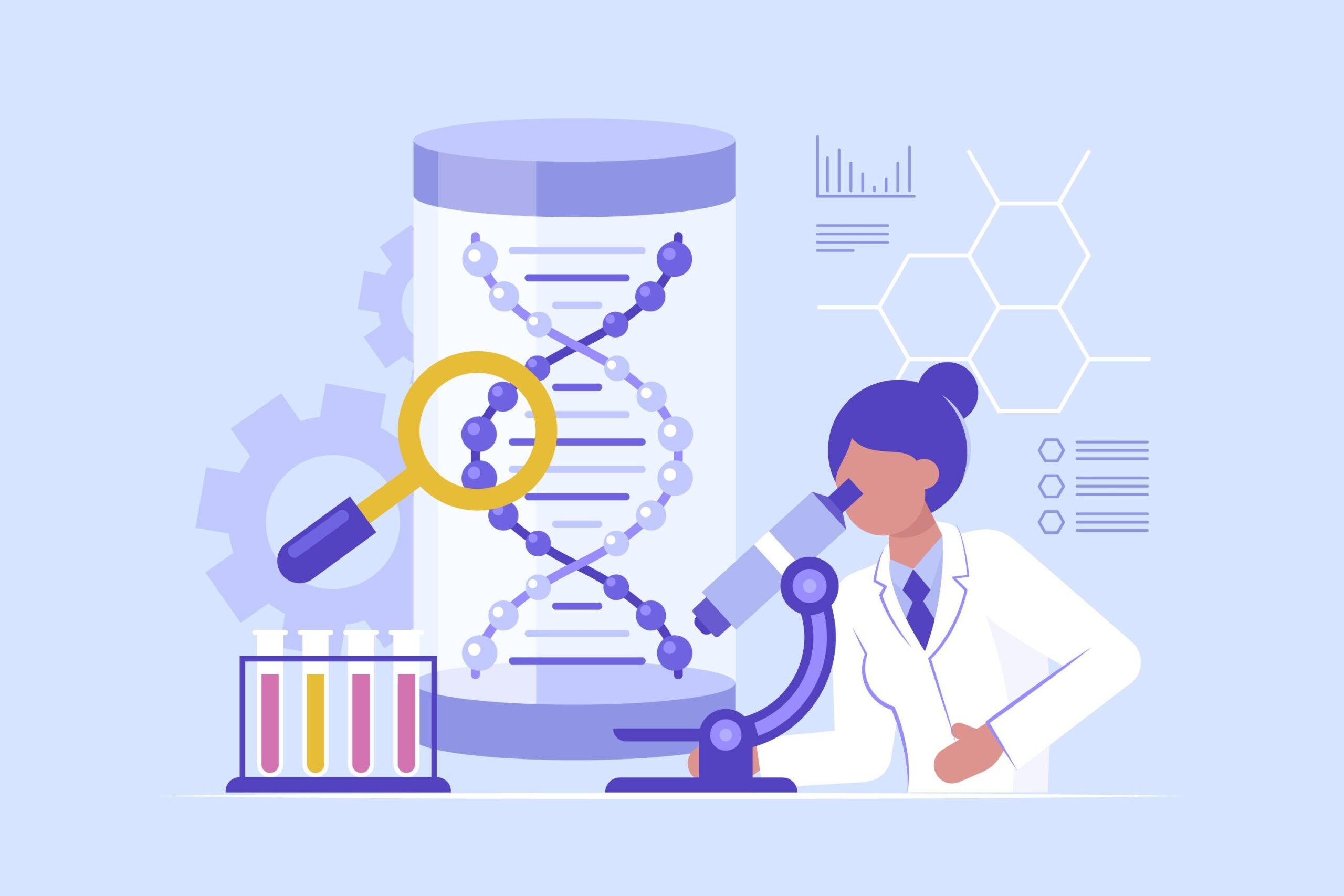
A domestic DNA test can reveal details about ancestry, family connections, and inherited traits. The process is usually simple. You collect a sample at home and send it to a laboratory.
The results can add new evidence to family research. They may also explain certain shared characteristics. Still, genetic reports have limits. Understanding those limits helps you interpret your results with greater care and context.
Discovering Your Ancestry and Heritage
DNA carries information passed through generations. Testing companies compare selected genetic markers with reference populations and database records. The results can provide useful clues about historical origins and family connections.
Geographical Origins
One of the most popular features of a home-based DNA test is ancestry estimation. Your genetic markers are compared with reference groups from different regions. The company then estimates which populations share similarities with your DNA.
Results often appear as regional percentages. These estimates may cover broad areas or smaller communities. Some reports also identify possible migration routes connected to your ancestors.
These findings should not be treated as fixed historical facts. Reference databases change as more samples become available. A percentage can therefore shift after future updates. Results are best viewed as evidence that supports broader genealogy research.
Family records can provide important context. Census documents, birth records, immigration papers, and oral histories may help explain unexpected results. Combining genetic data with traditional research often creates a fuller family picture.
Lineage Mapping
Genetic ancestry testing can also help researchers explore direct family lines. Some tests examine markers inherited through specific ancestral paths. These markers can help identify larger genetic groups known as haplogroups.
A haplogroup may connect an individual with ancient population movements. It can offer clues about how distant ancestors travelled and settled. However, it does not identify every person within a family line.
Lineage results are most useful when combined with documented genealogy. They can strengthen existing research or suggest new directions. For families with missing historical records, these clues may prove especially valuable.
Finding Biological Relatives
DNA databases can identify people who share segments of genetic material. These matches may include close relatives, distant cousins, or unknown family connections. A strong match does not always explain the exact relationship. Companies estimate possible relationships by measuring shared DNA. Family trees and historical records can help narrow those possibilities. After examining relatives, you can also explore inherited traits.
Relative matching has become a major part of consumer genetic testing. Consumer genetic databases now contain millions of DNA profiles, making it easier for users to identify potential biological relatives and expand family research. Users can compare family trees and contact potential relatives. Some discoveries confirm known branches. Others reveal previously undocumented connections.
Exploring Inherited Traits
Genes influence many characteristics that vary between individuals. A domestic DNA test may examine selected traits and present them as probabilities or genetic tendencies. These reports are informative, but they do not describe a person’s entire identity.
Physical Trait Variations
Genetic testing can explore markers associated with visible characteristics. These may include eye color, hair features, freckles, and other inherited variations. Traits rarely depend on one gene alone. Several genes can interact to influence a characteristic. Environmental factors may also play a role.
For this reason, trait reports should be interpreted carefully. A genetic result may indicate a tendency rather than guarantee a visible outcome. The information can still offer an interesting way to examine patterns within a family.
Comparing results with relatives may reveal how different characteristics appear across generations. It can also show why siblings may share some features while differing in others.
Sensory Perceptions
Genetic differences can influence how people experience certain tastes and smells. Some people, for example, detect bitter compounds more strongly than others. A trait report may identify genetic markers linked with these differences. The results can provide context for familiar preferences. They may explain why certain foods produce very different reactions within the same household.
Still, genetics represents only part of the picture. Culture, experience, and repeated exposure can also shape preferences. A genetic result should therefore be viewed as one possible influence.
Behavioral and Sleep Tendencies
Some genetic reports explore markers associated with natural tendencies. These may relate to sleep timing, activity preferences, or other behavioral characteristics. Such findings require careful interpretation. Human behavior develops through many influences. Family environments, work schedules, culture, and personal experiences all matter.
A report may suggest a possible tendency. It cannot define someone’s personality or predict future behavior. The most useful approach is to treat these findings as points for personal reflection rather than fixed conclusions.
The Role of DNA in Personal Identity
Genetic information can add another dimension to personal identity. It may connect people with regions, communities, and relatives they did not previously know about. These discoveries can be meaningful, especially when family records are incomplete.
DNA, however, does not tell a complete personal story. Identity also develops through culture, language, family traditions, experiences, and personal choices. Genetic ancestry should not replace those influences.
Unexpected results can also challenge long-held assumptions. A person may discover that a family story lacks genetic support. They may also find connections to populations that were never discussed within the family.
These discoveries deserve thoughtful interpretation. Genetic estimates describe patterns within available reference data. They do not determine cultural belonging or personal identity.
Data Privacy and Ethical Considerations
Submitting a DNA sample involves sharing highly personal information. Before purchasing a kit, review how the company handles genetic data, samples, and user consent.
Privacy Policies
Privacy policies can differ significantly between providers. Some companies allow customers to control whether their data appears in relative-matching systems. Others provide separate choices for research participation. Read the policy before submitting your sample. Look for details about:
- Data storage and security practices.
- Sample retention and destruction options.
- Research participation and consent choices.
- Relative matching and account visibility.
- Procedures for downloading or deleting personal data.
These details can change over time. It is wise to review current policies before ordering a test and after receiving your results. You should also consider the wider family implications. Your DNA can reveal information about biological relatives. A decision to join a matching database may therefore affect more than one person.
Emotional Impact of Unexpected Findings
Family discoveries can produce strong emotions. A test may reveal an unknown relative or challenge assumptions about biological relationships. These outcomes can affect several family members. Some people welcome unexpected information. Others may need time to process it.
Consider the possible outcomes before submitting a sample. Discussing the decision with close relatives may also be helpful. You should decide whether you are comfortable with potential discoveries before joining a genetic database.
Choosing the Right Testing Option
Testing services differ in their databases, reporting methods, and research tools. The best choice depends on what you hope to learn and how you want to use the results. Common options include:
- Ancestry-focused tests for ethnicity estimates and historical origins.
- Relative-matching tests for identifying potential biological connections.
- Trait-focused tests for selected inherited characteristics.
- Comprehensive ancestry options that combine several genealogy features.
Before ordering, compare the size and geographic diversity of each database. A larger database may improve your chances of finding genetic matches. However, database size alone does not guarantee useful results.
Also review the company’s privacy practices and available account controls. Consider whether you can download your raw data or delete your information later.
Price matters, but it should not be the only factor. The quality of the reporting tools and privacy options may be equally important.
Conclusion
A domestic DNA test can provide a new perspective on ancestry, family history, and inherited traits. It can support genealogy research and suggest possible biological connections.
Results are most useful when considered alongside historical records and family knowledge. Privacy also deserves careful attention before testing. With realistic expectations, genetic information can become a valuable research tool that adds depth to your understanding of where your family story began.

Hey welcome to my blog . I am a modern women who love to share any tips on lifestyle, health, travel. Hope you join me in this journey!

Speak Your Mind