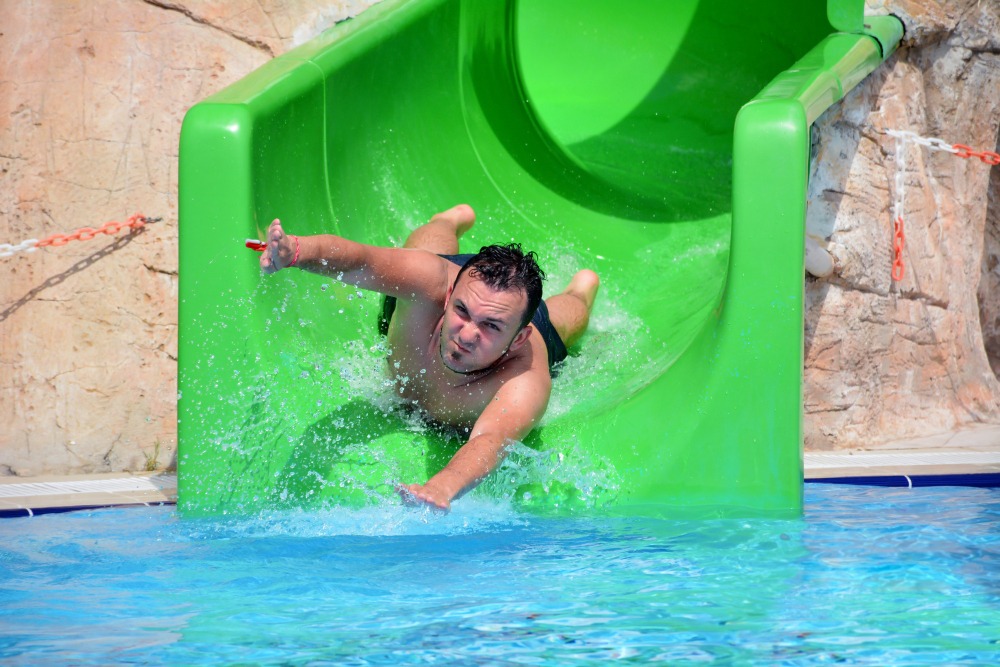
A day at a waterpark is supposed to be fun, but serious injuries can turn a family outing into a stressful and costly experience. While some incidents are genuine accidents, others result from poor maintenance, inadequate supervision, or unsafe conditions. Families who understand the difference can take the right steps to protect their health, preserve evidence, and explore their legal options. One resource families may consider when seeking guidance is Hersh Kirtman Injury Law.
Understanding When an Injury May Involve Negligence
Not every waterpark injury results from reckless behavior by a guest. In some cases, the facility may have made the accident worse by using unsafe methods or failing to maintain adequate upkeep. Waterparks are supposed to ensure that their visitors are reasonably safe.
Water and amusement parks need to consistently comply with safety rules and processes. If the facilities don’t meet those standards, they might put tourists in danger unnecessarily. Knowing what these duties are helps families figure out when a hurt needs more attention.
Common Waterpark Injuries That Raise Concerns
Some accidents at water parks are more likely to be signs of bigger safety problems. When rides don’t work right or safety rules aren’t followed, people can get head injuries, neck injuries, spine injuries, and broken bones. Often, these kinds of accidents require immediate medical attention and take a long time to heal.
Drowning and near-drowning events are among the most serious concerns. Lack of air for even a short time can cause serious health problems. In many cases, investigators look closely at lifeguard coverage, emergency response procedures, and visibility conditions.
What Families Should Do Immediately After an Injury
The first priority should always be medical care. Even injuries that seem minor can become more serious over time. Prompt evaluation creates a record of the injury and ensures the victim receives appropriate treatment.
It is important to report the incident to the waterpark management before leaving the property. Request a copy of any incident report if available. Keeping records of medical visits, expenses, and communications related to the injury can help create a clear timeline of events.
Investigating Whether the Injury Was Preventable
Determining whether an injury could have been prevented often requires a closer look at the circumstances. Important information may be found in maintenance logs, employee training manuals, inspection reports, and surveillance footage. In some cases, evidence shows that a known hazard existed before the injury occurred.
Patterns can also be important. If several guests had the same problem on the same ride or in the same area, that could be a sign of a bigger safety issue. Previous complaints or citations may provide more information about how the building operates.
Families should avoid assuming that the waterpark’s explanation tells the full story. An outside look at the facts can help determine whether reasonable safety steps were taken. A thorough probe can often reveal details that were not apparent at the time of the accident.
Understanding Legal Options After a Serious Injury
When negligence contributes to a waterpark injury, affected families may have legal options available. Medical bills, rehabilitation fees, lost wages, and other incident-related damages may all be covered by compensation. What claims are available depends on the particulars of each case.
Many families choose to consult experienced professionals who understand personal injury cases involving recreational facilities. Families who seek advice are better able to assess their options and comprehend their rights. This is one reason some individuals turn to Hersh Kirtman Injury Law when exploring the next steps after a serious injury.
Helping Children Recover After a Traumatic Event
Long after the physical wounds have healed, children may still be affected emotionally. After a traumatic event, behavioral changes, anxiety, insomnia, and a fear of the water can occur. Parents should focus on their children’s emotional and physical healing.
Kids can better understand what happened if adults talk about it openly. Getting them to talk about their feelings and fears might help them feel less stressed as they get better. In some cases, professional therapy may help even more. Recovery often takes time, especially when an injury disrupts normal routines. With the right medical care, kindness, and reassurance, kids can regain their confidence and return to their normal activities when they are ready.
Conclusion
A waterpark injury is not always an unavoidable accident. Unsafe conditions, inadequate supervision, and preventable hazards can result in severe injury. Families can take important steps toward recovery and accountability by seeking medical help, preserving evidence, learning about potential safety flaws, and considering all their options.

Hey welcome to my blog . I am a modern women who love to share any tips on lifestyle, health, travel. Hope you join me in this journey!


Speak Your Mind