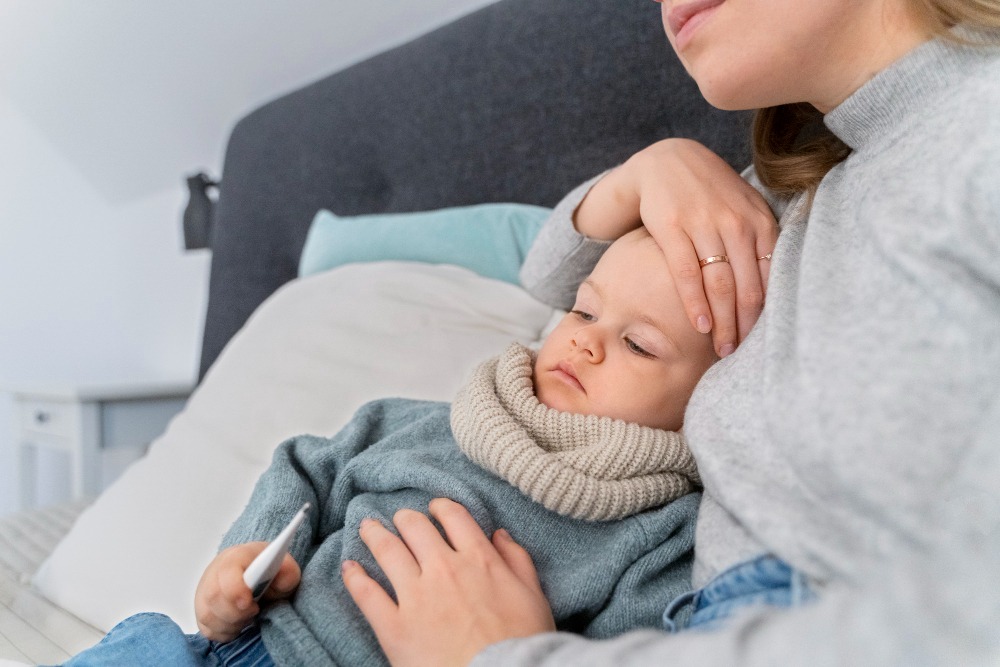
Every parent knows the sudden jolt of worry that happens when their child feels warm and flushed. You grab the thermometer, wait for the beep, and see the number creeping up. Your heart skips a beat. Should you call the doctor? Should you head to the hospital? The truth is that most fevers in children are completely normal and even healthy. It’s a sign that your child’s immune system is doing its job. Still, it’s not always easy to tell when a fever is safe and when it’s serious. Understanding what causes fevers, what temperatures to watch for, and how to care for your child at home will help you stay calm and confident during those stressful moments.
What a Fever Really Means
A fever isn’t an illness, it’s your child’s body fighting off an infection. The immune system raises body temperature to make it harder for viruses and bacteria to survive.
A normal body temperature averages around 98.6°F (37°C), but it can vary slightly throughout the day. In general, doctors define a fever as:
- 100.4°F (38°C) or higher (rectal)
- 99.5°F (37.5°C) or higher (oral)
- 99°F (37.2°C) or higher (underarm)
Mild fevers can often be managed at home. However, if your child’s fever suddenly spikes or they seem unusually ill, it may be time to contact your pediatrician or even visit an Austin emergency center for a medical evaluation.
When to Worry About a Child’s Fever
Not every fever needs emergency care, but it’s important to recognize the red flags that suggest something more serious.
Infants (0–3 months)
Any fever of 100.4°F (38°C) or higher in a newborn should be evaluated by a doctor right away. Babies this young can’t regulate their body temperature well, and infections can escalate quickly.
Babies (3–6 months)
If your baby’s temperature reaches 102°F (38.9°C) or higher, or if they appear unusually fussy, tired, or not feeding well, contact your healthcare provider.
Toddlers and Older Children
For kids over 6 months, a fever of 102–104°F (38.9–40°C) can usually be monitored at home if your child is otherwise alert and drinking fluids. But if the fever lasts more than three days, or if your child develops a rash, breathing trouble, or persistent vomiting, seek medical attention.
What Causes Fevers in Kids
Most fevers are caused by common viruses that the body is fighting off naturally. Colds, flu, ear infections, and strep throat are frequent culprits. Sometimes, bacterial infections may also lead to high fevers that need antibiotics for treatment. Other times, fevers happen after routine childhood vaccinations or when kids are simply overheated from playing outside on a warm day. These temporary temperature spikes usually go away quickly. The key is to watch your child’s overall behavior. If they’re still smiling, drinking, and interacting, chances are their body is simply working hard to heal itself.
How to Comfort and Treat Your Child at Home
When your child has a fever, comfort and hydration are your top priorities. Make sure they drink plenty of fluids to prevent dehydration. For infants, breast milk or formula is perfect. For older kids, offer water, diluted juice, or an electrolyte drink to keep them refreshed. Encourage your child to rest as much as possible. Sleep helps the body fight infection and recover faster. Try to keep the room cool and dress your child in soft, lightweight clothing. Overdressing or bundling them in blankets can trap heat and raise body temperature even more. You can also use fever-reducing medication if your child seems uncomfortable. Acetaminophen or ibuprofen can help lower temperature and ease aches, but always follow dosing instructions based on age and weight. Avoid giving aspirin to children, as it can lead to a rare but serious condition known as Reye’s syndrome. Some parents find that a lukewarm sponge bath helps make their child feel better. The goal is comfort, not to bring the temperature down too quickly. Avoid cold baths or alcohol rubs they can cause chills and make your child shiver, which may raise body temperature even higher.
When a Fever Needs Emergency Attention
There are certain times when a fever means it’s time to seek immediate help. If your child is struggling to breathe, has persistent vomiting, becomes unusually drowsy or unresponsive, or develops a rash that doesn’t fade when pressed, head to the nearest hospital or urgent care. Any fever above 105°F that doesn’t respond to medication, or one that lasts longer than three days, deserves medical attention. Babies younger than three months with any fever need to be evaluated by a healthcare provider right away. If you ever feel unsure, don’t hesitate to trust your instincts. Visiting an emergency center can provide fast, professional care and ease your worries. Medical professionals can assess your child’s condition, run quick tests, and provide fluids or medications if needed. It’s always better to be safe than sorry, especially when it comes to your child’s health.
How to Prevent Fevers in the Future
While no one can prevent every fever, healthy habits go a long way in keeping your child’s immune system strong. Encourage handwashing before meals and after playing outdoors. Teach your kids to cover their mouth with their elbow when coughing or sneezing to prevent spreading germs. Make sure they’re eating balanced meals filled with fruits, vegetables, and whole grains, and that they get plenty of rest each night. Keeping your home clean and ventilated also helps reduce exposure to bacteria and viruses. During cold and flu season, try to limit close contact with sick friends or relatives. Regular checkups and up-to-date vaccinations are key to preventing many illnesses that cause fever in the first place.
Staying Calm and Caring with Confidence
It’s easy to panic when your child’s temperature spikes, but most fevers are a normal part of growing up. In fact, a fever means your child’s immune system is fighting effectively. What matters most is your child’s behavior and comfort, not the number on the thermometer. Stay close, keep them hydrated, and offer comfort and reassurance. Read a book together, watch a quiet movie, or simply snuggle on the couch. These small gestures make a big difference and help your child feel secure while they recover. If the fever doesn’t improve or you feel uncertain about your child’s condition, you’re never alone. Whether it’s a trusted pediatrician, urgent care, or your local emergency center, there’s always help nearby. Fevers are temporary, but the calm and confidence you show as a parent leaves a lasting impression. With knowledge, preparation, and a caring touch, you can handle your child’s next fever safely and with peace of mind.

Hey welcome to my blog . I am a modern women who love to share any tips on lifestyle, health, travel. Hope you join me in this journey!


Speak Your Mind