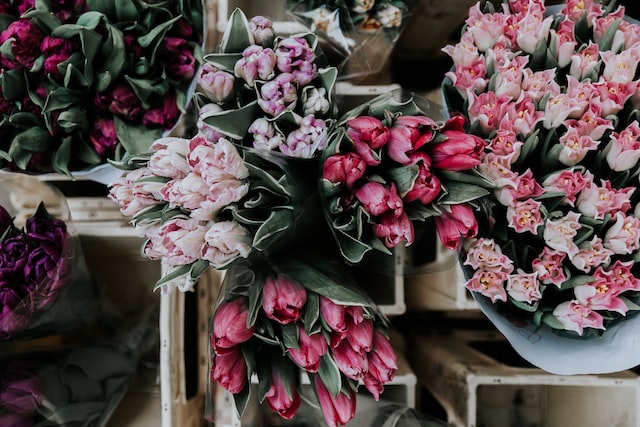
The springtime tulip is a beautiful flower that comes in many different colors. Tulips are the only flower to perfectly capture the colors of spring. It’s easy to see why they’re such a popular harvest year after year.
The perenniality of tulip bulbs is a topic of debate among gardeners. For information on whether or not they are perennial and how to ensure that they continue to bloom every year, read on.
Do Tulips Rebloom Year After Year?
Tulips are perennials, meaning that their plants and blooms will continue to grow year after year. They start flowering in the spring and keep on doing so for many years. Flowers may not return at all or may bloom much more modestly in the following years.
When tulip bulbs are grown under conditions that aren’t best for their variety, they often yield fewer flowers or none at all the next year. This is why some gardening experts classify tulips as annual plants. They return yearly in temperate regions, where they bloom reliably without hindrance.
Your tulips may be coaxed into a second bloom with adequate care. Growing tulips as annual plants is an option if you don’t have access to ideal growing conditions. Keep watering to a minimum throughout the warmer months, and only water again after half the soil has dried up.
Can Tulips Be Grown Year After Year, or Do They Have to Be Planted Every Year?
As perennials, tulips never drop away. The flowers, both single and bicolored varieties available in tulip bulbs for sale, often rebloom each spring. You can ruffle and fringe their petals. Even though they live for more than one year, some gardeners treat them like annuals because the flowers from older bulbs are smaller.
Some tulip hybrids have been bred to be carefree perennials. Perennial tulips can be kept alive and growing with proper care, including planting them at the correct depth and providing enough fertilizer and sunlight.
In What Weather Conditions Do Tulips Grow Best?
Temperate areas with cold winters and dry, hot summers are ideal for growing tulips. Originating in Central Asia, they have found success in nations such as Turkey. When summers are mild and winters are warm, they struggle to grow.
Tulips grow best in temperatures lower than 55 degrees Fahrenheit. The bulbs require 1215 hours of cold temperatures to blossom. Flower buds and blooms are vulnerable to temperatures below 35 degrees Fahrenheit.
The tulip prefers temperatures between 55 and 60 degrees Fahrenheit. The plant requires a 15-week cooling period before springtime to set buds and bloom. Tulips need a cool environment and good air circulation to bloom well. Many gardeners also freeze the bulbs until they are ready to plant.
The Bottom Line
There are several types of tulips that bloom again the following spring, including Darwin hybrids, Kaufmannianas, Triumph tulips, and so on. But you won’t get guaranteed repeat blooms only by planting these tulip varieties. For best results, plant tulip bulbs in rich, well-drained soil and store them until planting time. Perennial tulips are the best option if you want your garden to be brimming with color year after year.

Hey welcome to my blog . I am a modern women who love to share any tips on lifestyle, health, travel. Hope you join me in this journey!


Speak Your Mind