Fishing with kids is a great way to spend some quality time outdoors and teach your little one about the joys of fishing. That said, fishing with kids can be challenging, but it doesn’t have to be!
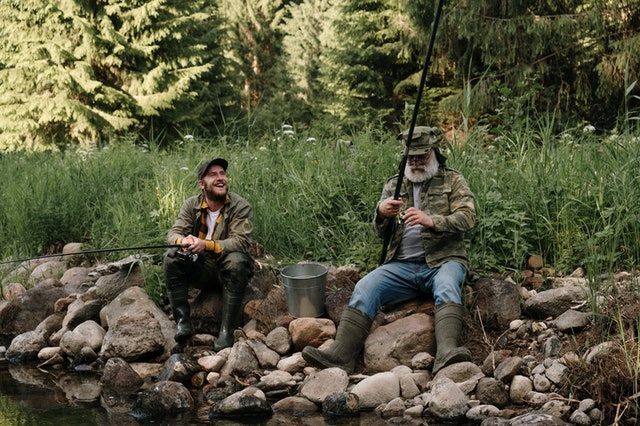
This article will help guide you through the steps of starting your first fishing trip with your kids. If you’re new to fishing as well then don’t worry! I’ll show you how to get started with your kid as well as tips for having an enjoyable first-time experience.
10 simple steps to get started fishing
Get a fishing license
Planning on fishing? Make sure you have the right license and permits! Before heading out, get a fishing permit from your local fish & game department. You can purchase them at convenience stores or online for less than $20 per day (depending on where in America). Annual subscriptions will give better deals so if that’s what you’re interested in getting go ahead with it regardless of how much money is involved now because prices change often dependent upon location as well which state/province you live in.
Locate a place to fish
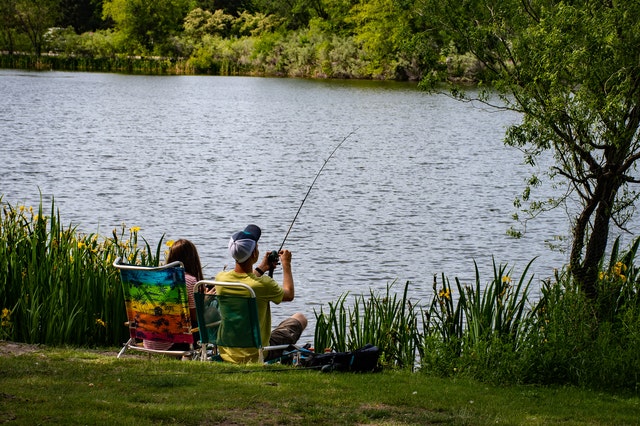
If you want to find a great fishing spot, look for public areas with access to land or water. The DNR website has amazing features that help people locate their nearest suitable location and search out others in different regions across North America!
Understand the laws of your fishing region
I know you’re out there fishing, so don’t be shy! If I could give just one piece of advice for this year’s catch it would be to follow all the rules. There is a lot that can go into making sure your day on the water goes smoothly – from identifying which fish species we want to catch (and what size limits apply) or if the bag limit allows us to take them home with us at all; even knowing where in lakes/riverbeds these regulations exist makes things easier because then everyone will play nice together and stay harmony-filled during their trip abroad.
Assemble the right angling gear and tackle
You only need the essential gear and tackle to get started fishing. Here is the list to guide you:
- Spinning reel and rod combo
- Lures and bait (Go for PowerBait and decoy designed lures- Consider live bait such as worms, minnows, and crickets a few days before you head out)
- Round plastic bobbers
- Spool of monofilament fishing line- (for freshwater fishing buy 6- or 8-pound) test line
- Assortment of hooks (Should be of various sizes- size 3/0 for bigger bait and 2 for smaller bait)
- Needle nose pliers (to remove hooks from fish’s mouth)
- Tacklebox (to keep lure and bait)
- Measuring tape
- Scissors (For cutting fishing lines or leader)
- Split shop weight
- Rubber net
Learn useful fishing skills
Practice simple fishing knots
When you’re out seahawk fishing, it’s important that your technique is sound. Before getting started make sure to learn two basic knots for beginners- the double Uni Knot and Improved Clinch Knot!
Fishing etiquette
Fishing etiquette demands that you respect the fish you catch, other anglers, and the surrounding environment. Here are some of the dos and don’ts:
- Follow the leave-no-trace ethics
- Keep away from someone else fishing spot- a distance of 50-60 feet is recommended in crowded places
- Be in check with the local regulation book to know the rules that govern the section you are fishing in
- Keep only fish that you can eat
Reading waters
Do you find yourself spending too much time looking for that perfect fishing spot? I know how frustrating it can be, but if we work together and learn about the different types of water environments where fish live (such as lakes or rivers), then hopefully this will help make your next trip out more successful. For instance, look out for downed trees and weeds near shores; drop-off points will also make great hiding places as well!
Spool your reel
To spool your spinning reel, run the fishing line through rod guides and tie it to a bail using a double knot. Put in water with an index figure for tension while reeling off enough lead so that when you close up tight there will be no more lost footing on this two-handed tackle – perfect if not overpowering casting skills are needed!
Head to your fishing location and rig your line
Fishing can be a lot of fun and is great exercise, so don’t forget your favorite rod. Fishing can be a lot of fun and is great exercise, so don’t forget your favorite rod. When ready, remove tools from your car then set up rod by threading line between eye hooks on top followed by bobber weight to keep it afloat near the surface bait hookup should always remain as the last step unless you’re using live prey as a lure.
Check out this video to set up the line the right way.
8. Cast your line to the waters
The best way to get a fish on your line is by throwing out an enticing lure. You need three things for this technique: wind, bait, and the ability to throw far enough so you don’t spook the fish before getting back with another cast! Beginner anglers often struggle because they’re unsure what type of lures work well as alternatives or how far their arm can reach when casting at different distances but now we’ll show ya how simple these skills really are.
You need to wind up and chuck your lure as far as you can in order to cast out a bait. Hold the rod with one hand, reel between the ring finger and middle finger (or index), grip firmly but carefully so it doesn’t slip; then slowly bring tip behind towards where fish might be waiting patiently at its hiding spot!
9. Hook the catch
When you notice that the bobber on your line is going up and down, then it means a fish has taken the bait. Take some time to let them bite before trying to reel it in with all strength available – this will help avoid breaking or losing any hooks from their teeth. While keeping the rod up, be sure to tire the fish out by moving the fishing rod around. This will make it less hostile when reeling it in.
10. Reel in and land the catch!
Once you’ve cast the line, reel in until it is taut. Continue to follow fish movement while also following your rod’s movements towards land at arm’s length; once close enough use a net to scoop up any catch that comes near the ground or dockside before releasing back into the water unharmed. Make sure to not touch its gills, squeeze the stomach or keep it out of water for longer than necessary.
Conclusion
Landing your first catch is straightforward with the help of this guide! The tips are easy to follow, and all it takes is patience and practice. This makes it an excellent opportunity for bonding with your kids while learning a new skill.
About the author:
Name: Ally Mash
Bio: Ally is an avid outdoor enthusiast who has spent most of his free time backpacking through South America, Iceland, Vietnam, and Europe. He loves sharing his experience through blogging. His mission is to get more people in the mindset of protecting our planet by sharing its beauty.

Hey welcome to my blog . I am a modern women who love to share any tips on lifestyle, health, travel. Hope you join me in this journey!

Speak Your Mind