The Internet provides many opportunities for children. However, it also poses some dangers to them. As parents, grandparents, and teachers it is our job to protect each child in our care so they can enjoy the benefits of the Internet without being harmed by its dangers. This article explains why protection from the Internet is important and how to do it.
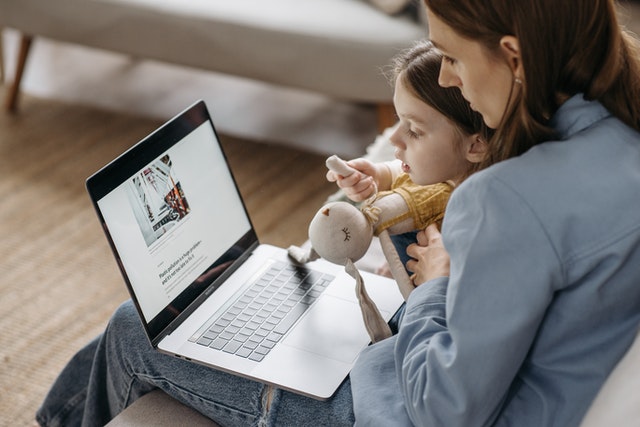
It may feel that the Internet is a huge and complicated place. It’s important to remember that it can be used safely if you follow some simple advice. In particular, make sure your child knows not to give out their name, address, or phone number online or talk to strangers. Many adults have been contacted by children in chatrooms who have tried to trick them into meeting up face-to-face. One child might think they’re talking to another child, but it could be an adult pretending to be a child. No matter how much you trust your children, or what precautions you take, there is always the possibility that someone may pose as a child online.
Children should always tell a responsible adult straight away if anyone asks them for personal information or makes them feel uncomfortable. If your child can’t find a helpful adult to talk to, they can call Childline a free helpline run by the NSPCC. It’s open 24 hours a day, 7 days a week. They can also get online safety advice from the Child Exploitation and Online Protection Centre.
In addition to online dangers, children need to be aware of other online risks such as phishing, viruses, spyware, online bullying, and fraud. These risks can affect users of all ages, not just children and teenagers.
Phishing is a method used by online criminals to acquire sensitive information such as usernames, passwords, credit card details, social security numbers, etc. These criminals do so by masquerading as trusted entities or sources in order to steal personal information or infect computers with malicious code. One of the most common ways they accomplish this is by sending a forged email with false claims to convince you to provide them with personal information.
Viruses, trojans, and worms can damage or steal data from a computer as well as spread themselves from one user’s device to another via e-mail, social networks, peer-to-peer file sharing sites, instant messaging services, etc.
Spyware can monitor your computer activity to capture information about you or get access to other programs on your system. It can record what you type, send information over the Internet concerning your use of applications and visit websites without your knowledge, track your usage habits, or enable a hacker to steal sensitive data.
Online bullying is the use of electronic communication to deliberately harm others. This can be done in many ways, including through email, instant messaging, text/cell phone messages, posts on social networks, etc. It is important that children know how to respond to online bullying when they see it, and also how to report it.
Fraud is a criminal activity that uses trickery or deception for unlawful gain. It can occur in the form of a scam, hoax, or pyramid scheme. From an early age children should be told about such a separate area on the Internet as gambling. There are reliable casino sites, such as https://freshcasino-online.ca/, where you can win money. But there are also fraudulent sites that have been set up to scam people. Until the child is 18 years old, all issues related to gambling should be decided by the parents.
In addition to these risks, online gambling is another area where parents need to be aware of what children are doing online. There are many sites that can provide information to parents on how they might be able to keep their children safe online. By taking common sense precautions to protect young children online we can ensure that they have the same happy experience of this global communications resource as adults.

Hey welcome to my blog . I am a modern women who love to share any tips on lifestyle, health, travel. Hope you join me in this journey!


Speak Your Mind