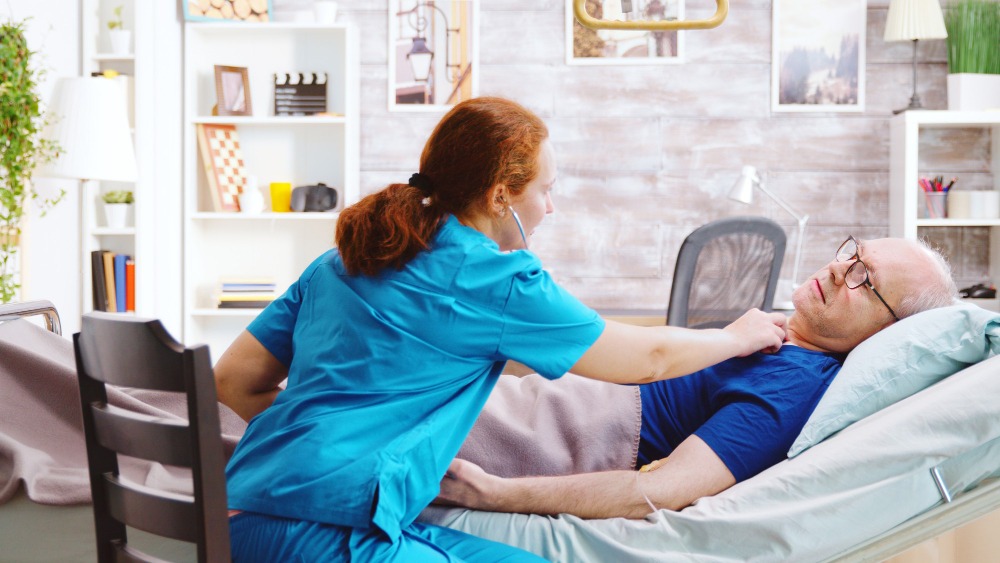
Imagine arriving at Grandma’s care home with the children and a few photographs to share. Usually, she asks about school and remembers every detail of your last visit. Today, she loses track of the conversation, barely touches her lunch, and seems too weak to sit comfortably.
It can be tempting to explain the difference as tiredness. Yet in a nursing home resident, an infection can trigger sepsis, a life-threatening medical emergency. Recognizing a concerning change during a visit can help the care team respond promptly.
When a Familiar Visit Suddenly Feels Different
Knowing Grandma’s everyday habits gives you useful information to share with staff. Perhaps she normally follows conversations despite some memory difficulties or walks to the dining room with assistance. Describe any departure from that pattern.
Learning about nursing home sepsis can help families understand the risks of delayed treatment and the questions to ask when a loved one’s condition deteriorates.
Be specific when describing the difference. “She could answer my questions yesterday, but today she cannot follow what I’m saying” gives the nurse more useful context than “She seems off.”
Do not assume that existing dementia explains sudden confusion. Report the change even if Grandma has difficulty describing her symptoms or other relatives have not yet noticed a difference.
How an Infection Can Become a Medical Emergency
Sepsis develops when the body’s response to an infection damages its own tissues and organs. Without prompt treatment, it can progress to organ failure and death.
The initial infection may involve the lungs, urinary tract, skin, or digestive system. Pneumonia or an infected wound, for example, can lead to sepsis even when the source of the infection is not obvious to a visitor.
Adults aged 65 and older are at increased risk. Chronic conditions, weakened immunity, and a recent hospitalization can add to that risk.
Healthcare professionals assess symptoms, vital signs, and test results for evidence of infection or organ damage. No single test confirms sepsis, and one normal reading cannot rule it out. Treatment may include intravenous antibiotics, fluids, and support for affected organs, depending on the infection and the resident’s condition.
Changes That Need Prompt Medical Attention
Possible warning signs include new confusion, shortness of breath, clammy or sweaty skin, extreme pain or discomfort, and fever, shivering, or feeling unusually cold. A fast heart rate or weak pulse may also occur.
Older residents may not develop a fever during an infection. Changes in alertness or functioning can be particularly important when existing conditions make symptoms difficult to interpret.
Guidance on recognizing sepsis in older residents explains how age-related changes can complicate diagnosis and why relatives’ observations can help clinicians assess a resident.
Symptoms vary, and you should not wait for every warning sign to appear before seeking help.
What to Say and Do During the Visit
Tell a nurse immediately what has changed and when you last saw Grandma at her usual level of health. Mention any known infection, recent treatment, or worsening wound.
You might say: “She is suddenly confused and breathing differently. Could an infection be leading to sepsis?” Ask whether the clinician responsible for her care has been contacted.
If she is struggling to breathe, cannot be awakened normally, or appears critically ill, call 911. Do not delay emergency help while waiting for an administrator, filling out a complaint, or arranging a family discussion. Tell responders what you observed and share any known infection history.
If staff offer reassurance but symptoms remain concerning, ask what assessment supports their conclusion: “Who has assessed her, what did they find, and does she need emergency transfer?”
Suspected sepsis often requires hospital evaluation and treatment that a care home cannot provide. Staff and emergency clinicians should consider the resident’s documented wishes and goals of care when deciding on treatment.
If children are visiting, ask another adult to take them somewhere quiet while you speak with the nurse or emergency team.
Recording Events After Emergency Care
Once medical help is underway, make a factual record while the details are fresh. Note the date and time you noticed the change, what you observed, who you informed, and how staff responded.
Keep your observations separate from information supplied by clinicians. For example, write “She could not answer my question at 2 p.m.” rather than “She had untreated sepsis at 2 p.m.” unless a medical record establishes that diagnosis and timing. If you cannot remember an exact time, label it as an estimate. Record staff explanations accurately, including whether you heard them directly or through another relative.
Preserve relevant messages, written updates, and discharge documents. An authorized resident representative can request medical records through the appropriate process. Keep original documents intact and record your own recollections before comparing accounts with relatives.
When the Response Raises Questions About Care
Sepsis can develop despite appropriate care, so a diagnosis alone does not establish neglect. A review must examine what staff knew, what reasonable care required, and whether a failure contributed to the harm.
Concerns may include repeated reports of deterioration without assessment, delayed contact with a clinician, or inadequate monitoring of an infected wound.
Broader warning signs of inadequate care may provide context when evaluating the facility’s practices. Keep the review focused on how those practices affected Grandma’s infection monitoring and treatment.
Ask the facility when the infection was recognized, what treatment was provided, and why hospital transfer occurred when it did. An independent attorney experienced in nursing home neglect can review the records and seek medical expert input on whether care failures contributed to the injury.
Who may bring a claim, filing deadlines, and recoverable losses depend on state law and the circumstances. Ask the attorney to explain the options and who is legally authorized to act for the resident.
Staying Involved After the Crisis
Before Grandma returns to the care home, ask the discharge team to explain her treatment plan, follow-up appointments, and changes that should prompt urgent reassessment. Confirm that the receiving staff have the instructions and know who to contact with concerns.
Share discharge updates among relatives and agree on who will communicate with the care team. Include Grandma in decisions to the extent she wishes and is able, rather than speaking around her.
When visits resume, allow room for Grandma’s preferences and ordinary family conversation. Ask how she feels about the care she is receiving and whether she wants help raising any concerns. Staying involved after sepsis means supporting both her medical follow-up and her voice in decisions about recovery.

Hey welcome to my blog . I am a modern women who love to share any tips on lifestyle, health, travel. Hope you join me in this journey!


Speak Your Mind